












Joshua Tree & nature
Hidden Valley Nature Trail
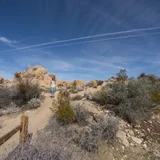
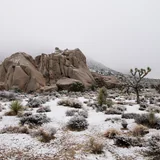
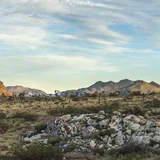
Hidden Valley is a one-mile loop through a valley closed in by walls of boulders, right off Park Boulevard in the middle of Joshua Tree National Park. It's one of the park's easiest walks, with a picnic area at the trailhead and rock to scramble on, which makes it a good first stop on a day in the park.
The trail
The park lists the Hidden Valley Trail as an easy one-mile loop with about 100 feet of elevation gain, and allows 30 minutes to an hour. There are stairs and rock steps at the beginning and end of the loop. Inside, the path is a mix of hard-packed dirt, soft sand, gravel, rocks and boulders, between 1.5 and 3 feet wide. Grades average about 4 percent, with short pitches as steep as 19 percent, so the loop is hard going for wheelchairs.
Interpretive signs along the loop explain the area's plants and wildlife. The park notes very little shade and no cell service, so bring water and a hat even for this short walk.
The cattle rustler story
The park describes Hidden Valley as a rock-enclosed valley "rumored to have once been used by cattle rustlers." Its trailhead page places that between the late 1800s and early 1900s, when, it says, rustlers used the valley to stay hidden. That's as far as the park takes the story, and it suits the place, a valley closed in by rock on all sides.
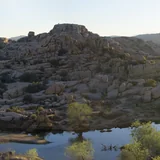
Cattle were a real part of this landscape. The park says cattle grazed throughout what is now the park from the 1870s until 1945, and it names Hidden Valley, Quail Springs and Barker Dam as important ranching sites. Ranchers built rain-catching "tanks" for their herds, and you can see one at nearby Barker Dam. On the loop, look for Cow Rock: the park says to stop at the Mountain Quail interpretive sign, look west, and find it at the top of the tall wall of rocks.
Climbing and scrambling
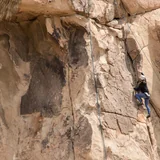
The park calls the trail excellent for families, with plenty of chances for rock scrambling. Scramble only as high as you're comfortable climbing back down. The formations around Hidden Valley also draw rock climbers, and plenty of visitors are happy just to watch them work a route.
Joshua Tree as a whole has more than 8,000 climbing routes and 2,000 boulder problems, according to the park. If you want to try it, the park points beginners toward a guided day or class with a permitted guide. Our rock climbing guide covers how to set that up.
The picnic area
The Hidden Valley picnic area sits along Park Boulevard by the trailhead, among large rock formations and Joshua trees. The park counts 24 picnic tables and 11 grills, plus vault toilets with grab bars; there's no running water. The parking area and the sidewalks to the toilets are paved, while the ground around the tables is flat dirt. The park notes that none of the tables or grills are accessible, and there are two accessible parking spaces near the trailhead.
It's a good place to eat a packed lunch, since there are no restaurants or stores inside the park. The Hidden Valley Campground nearby has 44 first-come, first-served sites at about 4,200 feet, with no water and a 25-foot limit on RV length.
When to go
The trail is open year round, but the park says temperatures regularly top 100°F in summer. In the hot months it recommends short trails like this one early in the morning or in the evening, before 9 am or after 5 pm, with four liters of water per person and extra for cooling off.
From roughly September through May, the parking lot is the bigger challenge. The park lists Hidden Valley among the lots that may temporarily close once they're full, and suggests arriving by 9 am on busy weekends and holidays. Its general busy-season advice is to arrive before 8 am to beat the crowds.
Dogs
Dogs aren't allowed on the Hidden Valley Trail, though service animals are. The park keeps pets off all hiking trails, but leashed pets can join you in picnic areas, on a leash of 6 feet or less and within 100 feet of roads and parking. If the dog comes along, one person can stay with it at the picnic tables while the others walk the loop; the park asks that pets never be left unattended. For more, see visiting Joshua Tree with a dog.
Pairing it with the rest of the day
Hidden Valley is roughly 10 to 12 miles past the West Entrance on Park Boulevard. The park's distance table puts it about 14 miles and 26 minutes from the Joshua Tree Visitor Center in town, so with the 25-minute drive from the house to the entrance, plan on roughly 45 minutes door to trailhead, longer if there's a line at the gate.
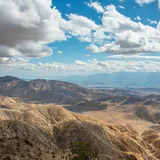
It pairs naturally with Barker Dam, another easy loop a couple of miles away on the side road toward Keys Ranch. Do both first thing, before the lots fill. From there, Keys View is a drive-up overlook farther south, and Ryan Mountain is the step up if someone in the group wants a real climb. Black Rock Canyon is better as its own outing, since it doesn't connect by road to this part of the park. Then head home for the pool and hot tub.
Know before you go
- Fees. The park charges an entrance fee, around $30 for a 7-day vehicle pass at last check. A digital pass from Recreation.gov, saved to your phone before you lose signal, cuts the wait at the gate.
- Water. None at Hidden Valley. The park recommends at least a gallon per person per day.
- Restrooms. Vault toilets at the picnic area.
- Shade. Very little on the trail.
- Cell service. None on the trail. Download an offline map before you leave town.
- Accessibility. Steps and steep pitches make the loop hard going for wheelchairs.
- Check first. Lot closures, road work and alerts are posted on the park's website.
Hidden Valley is the easy first hour of a good park day. Check dates and plan an early start.
Keep exploring
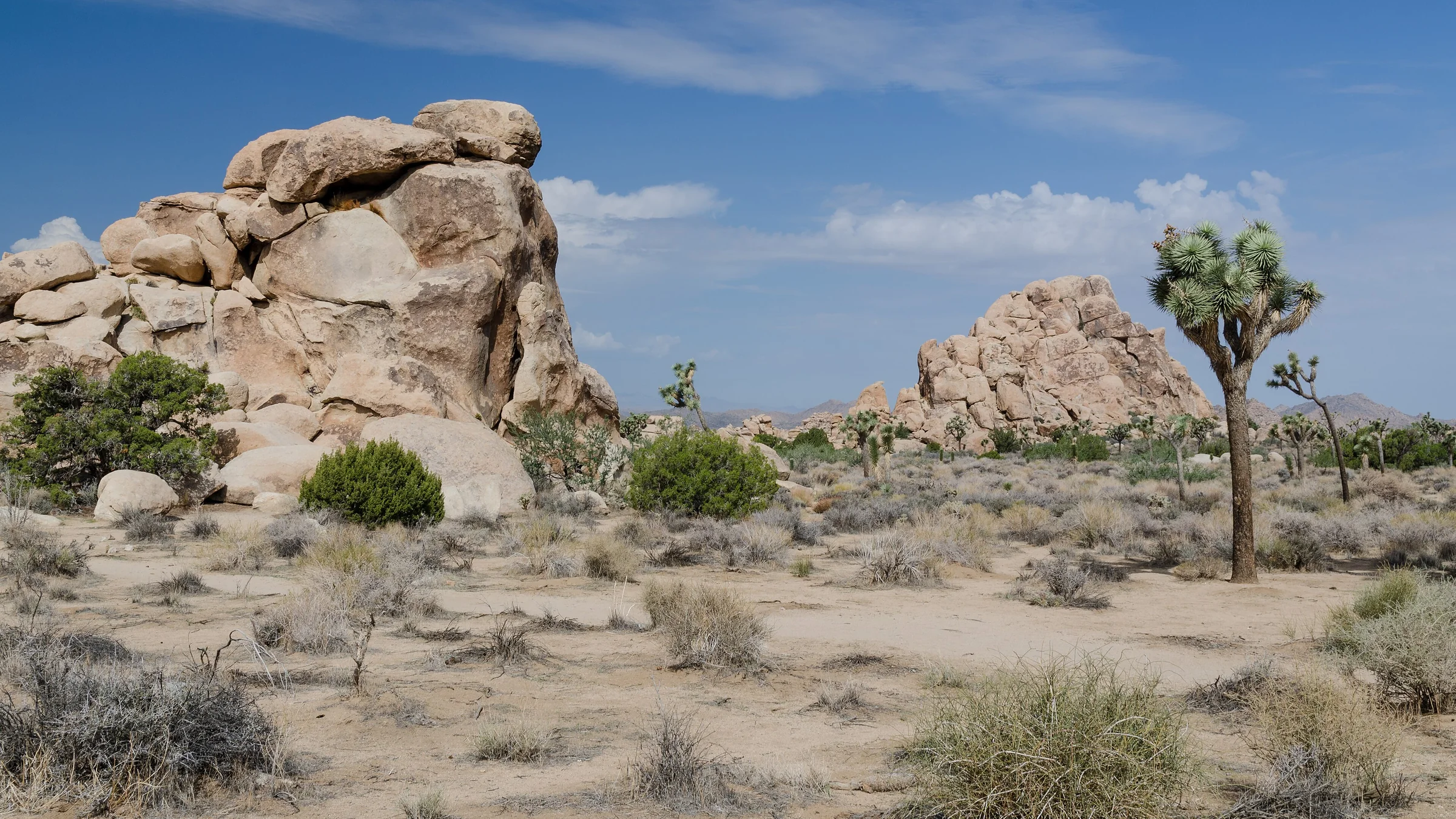
The Best Hikes in Joshua Tree National Park
The best hikes in Joshua Tree, shortest to longest — Hidden Valley, Barker Dam, Ryan Mountain, 49 Palms Oasis and Lost Horse Mine, about 25 minutes from the house.
Read →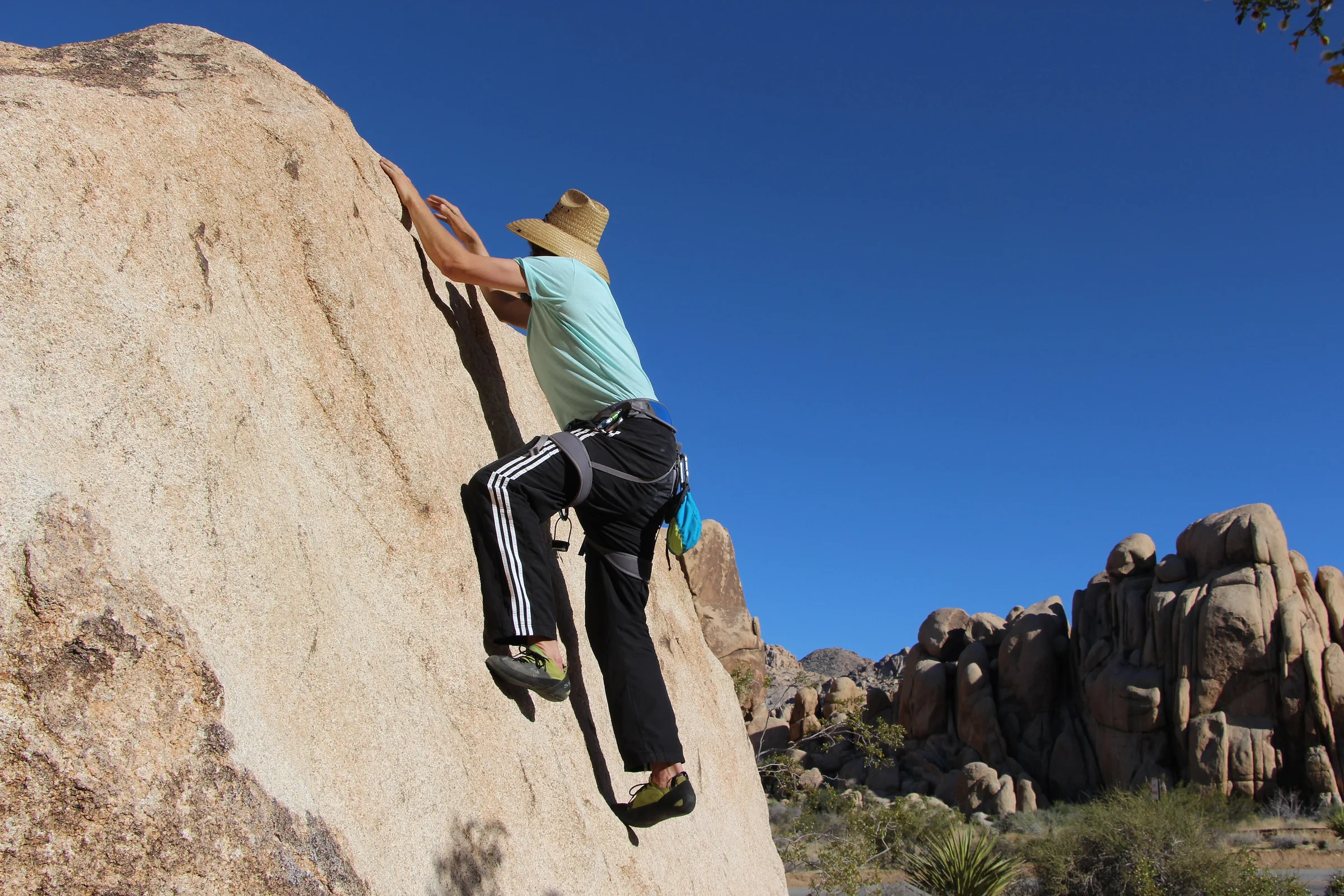
Rock Climbing & Bouldering in Joshua Tree
Joshua Tree is a world-class rock-climbing and bouldering destination. Where to start, when to go, how to climb it responsibly, and how to hire a guide if you're new.
Read →
The Cholla Cactus Garden & the Park's Quiet South End
The Cholla Cactus Garden and Joshua Tree's quiet southern end — Cottonwood Spring, Lost Palms Oasis and the ocotillo patch, and how to do the drive from Yucca Valley.
Read →