Experiences & seasons
Camping in Joshua Tree
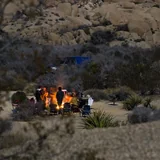
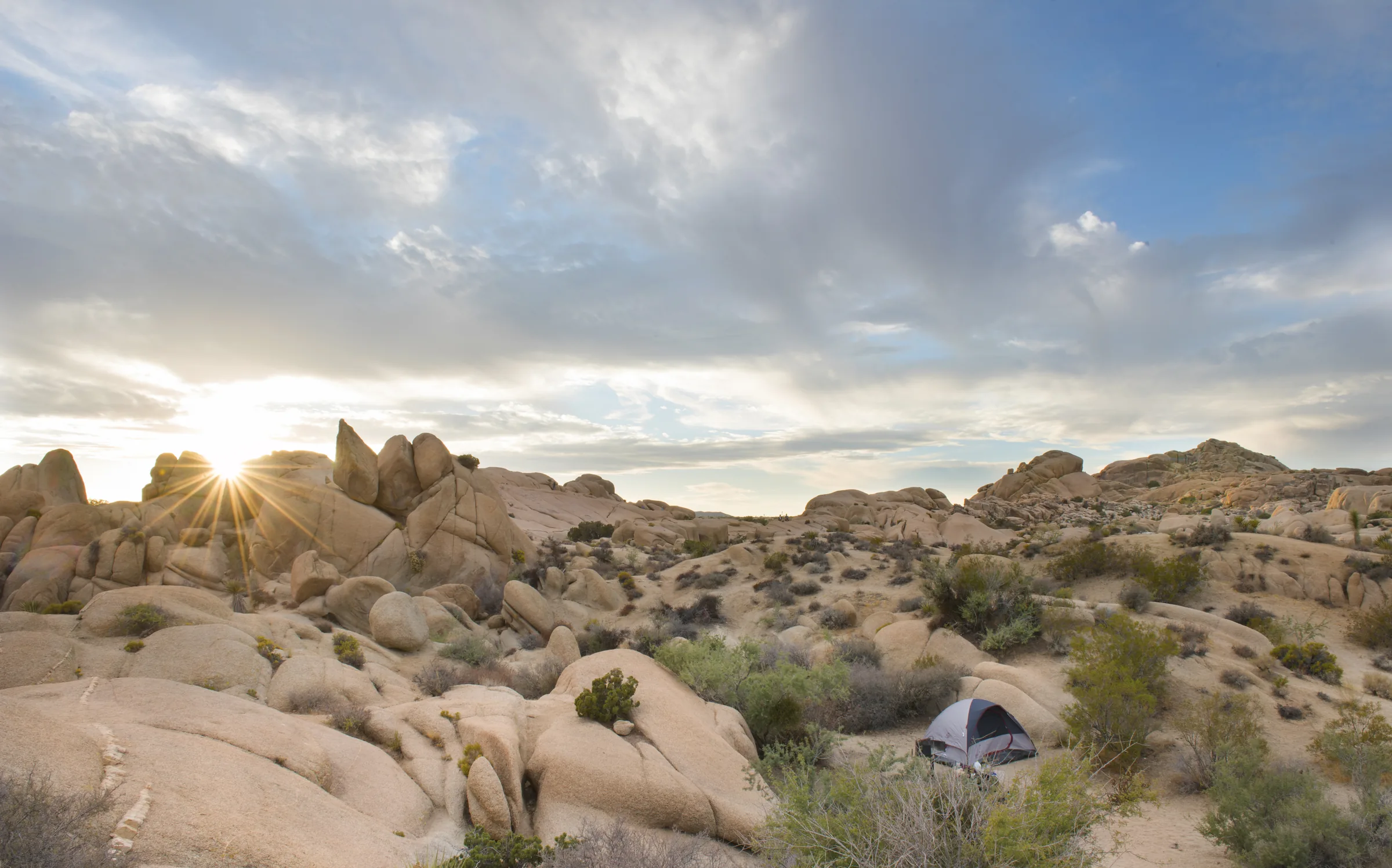
Joshua Tree National Park has nine campgrounds with more than 500 sites, and on most weekends from fall through spring nearly all of them are full. Here is which ones take reservations, which are first-come, which close in summer, and what to bring, since most have no water. If a tent isn't for you, there's a note at the end on using the house in Yucca Valley as your base instead.
The campgrounds
Fees below are from the park's campground list in 2026 and can change. Only Black Rock and Cottonwood have drinking water and flush toilets; the rest have pit toilets and no water. Expect no electric, water or sewer hookups at any site.
- Black Rock. 99 sites at about 4,000 feet. Reservations, around $35 a night. Water, flush toilets, a dump station and horse sites. It sits on its own road from Yucca Valley and is the closest campground to the house. See Black Rock Canyon.
- Cottonwood. 62 sites at about 3,000 feet near the South Entrance. Reservations, around $35. Water, flush toilets, a dump station and group sites.
- Indian Cove. 101 sites and 13 group sites at about 3,200 feet, on a dead-end road off Highway 62. Reservations, around $35. Water only at the ranger station. See Indian Cove.
- Jumbo Rocks. 124 sites at about 4,400 feet, the largest campground, near Skull Rock. Reservations, around $30. See Skull Rock and Jumbo Rocks.
- Ryan. 31 sites at about 4,000 feet, with horse sites. Reservations, around $30. Closed in the summer months.
- Sheep Pass Group. 6 group sites at about 4,500 feet, tents only. Reservations, from around $55.
- Hidden Valley. 44 sites at about 4,200 feet. First-come, first-served, $25. Open all year. Combined RV length up to 25 feet.
- Belle. 18 sites at about 3,800 feet. First-come, first-served, $25. Closes in summer.
- White Tank. 15 sites at about 3,800 feet. First-come, first-served, $25. Closes in summer. Combined RV length up to 25 feet.
Booking a site
Six of the nine campgrounds take reservations, and the park says nearly 85 percent of its sites are reservation-only. Book on Recreation.gov or by phone at 1-877-444-6777, anywhere from six months ahead to the same day. The park says its campgrounds usually fill on weekends from October through May, so if your dates fall in that window, book as soon as they open.
Belle, Hidden Valley and White Tank are first-come, first-served, and the park's instructions are specific. Find an empty site, occupy it by setting up a tent or leaving gear, then go straight to an entrance station to register and pay. You must pay within one hour of setting up. The fee is $25 a night, debit or credit card only; if you arrive after the stations close, you can pay the next morning. These sites are full nearly every weekend from September to May, usually by Friday afternoon, so the park suggests arriving by late morning or early afternoon on Friday for a realistic chance.
Each site holds up to six people. First-come sites allow up to three tents if they fit, and most sites allow two vehicles, with a trailer counting as a vehicle.
Summer closures
Summer is the slow season for camping, with daytime temperatures that regularly pass 100°F, and parts of the park close. Belle and White Tank shut for the summer, and Ryan closes during the summer months. The western part of Indian Cove closes from Memorial Day weekend through Columbus Day weekend. Hidden Valley stays open all year, and the reservation campgrounds are usually open year-round, though the park notes that partial or full closures can happen in summer. Exact dates shift from year to year, so check Recreation.gov and the park's campground page for your dates.
Water, toilets and showers
There is no water in the interior of the park. Black Rock and Cottonwood have water fill stations and dump stations (about $5 to dump), and Indian Cove has water at its ranger station. Everywhere else, bring all of it. The park recommends at least a gallon per person per day for drinking, and you'll want more for cooking and washing up.
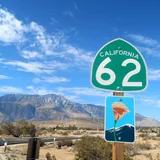
None of the park's campgrounds have showers. There are no gas stations, restaurants or stores inside the park, so shop and fill the tank before you go in. You can get fuel in Yucca Valley, Joshua Tree or Twentynine Palms, and Yucca Valley and Twentynine Palms both have full grocery stores on Highway 62.
Fires and campground rules
- Where. Fires only in the fire rings or grates the campground provides.
- Wood. You may not gather any park vegetation, living or dead. Buy firewood in town.
- Summer ban. Campfires and grilling are banned in all park campgrounds from June 15 to October 1. Gas or propane stoves with a shut-off valve are allowed.
- Generators. Only from 7 to 9am, noon to 2pm and 5 to 7pm.
- Ropes. No slacklines or other horizontal ropes inside campgrounds.
- Stay limits. 30 nights per calendar year in the park, and no more than 14 of them between October 1 and May 31.
- Pets. Leashed dogs (6-foot leash or shorter) are allowed in campgrounds, but not on trails.
Our notes on desert safety and Leave No Trace cover the basics for a desert night out.
Backcountry camping and full weekends
To sleep out in the backcountry you need a permit for every overnight stay. It costs $6 on Recreation.gov, covers a group of 1 to 12 for up to 14 nights, and can be booked up to six months ahead. Outside the Boy Scout zone, where you must use one of 14 designated sites, camp at least 1 mile from any backcountry trailhead, half a mile from any road and 200 feet from any trail. Campfires are never allowed in the backcountry, and you carry all your water.
If every campground is full, the park points people to Bureau of Land Management land outside the park, to private campgrounds, or to lodging in the towns along Highway 62.
A house instead of a tent
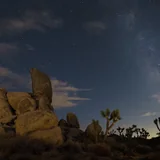
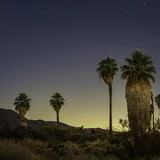
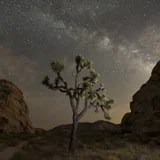
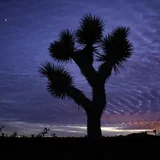
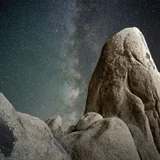
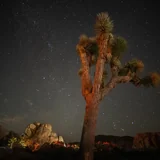
A night in a park campground is a good way to see Joshua Tree after dark; the park has been an International Dark Sky Park since 2017. It also means hauling in all your water, no showers, and no campfire in summer. Our guide to where to stargaze covers the night sky either way.
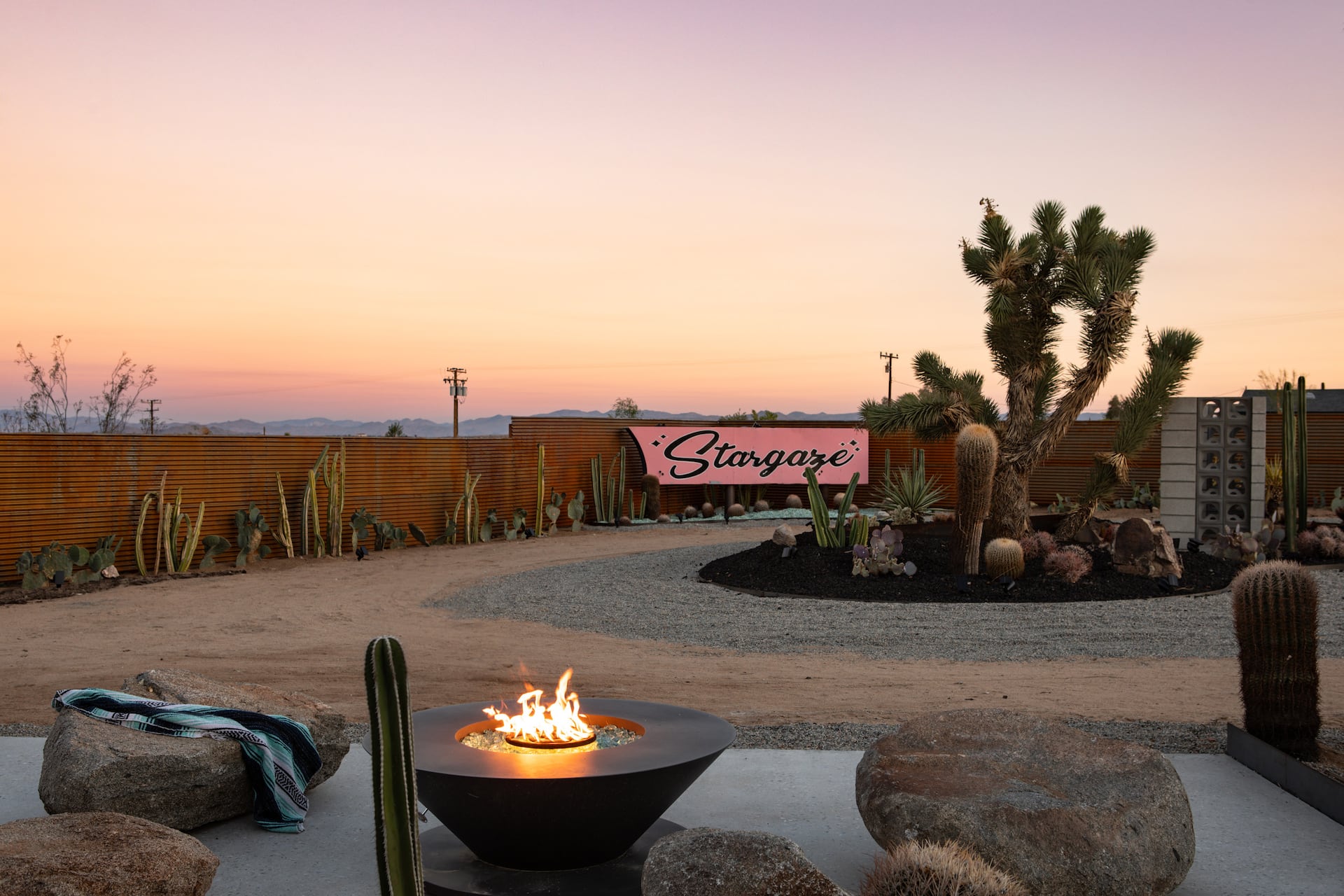
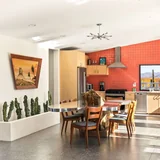
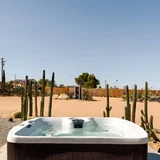
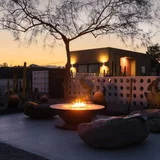
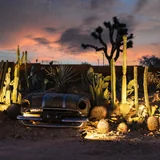
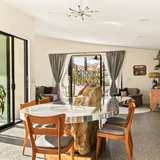
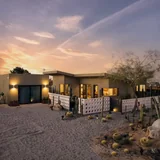
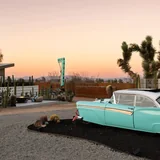
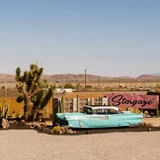
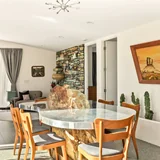
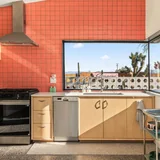
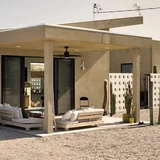
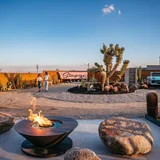
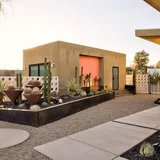
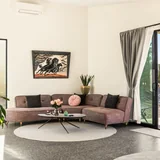
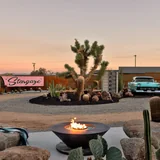
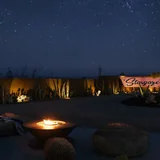
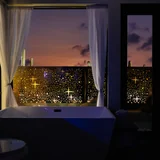
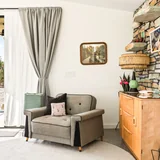
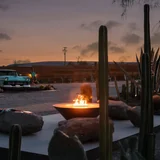
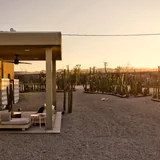
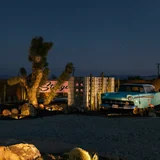
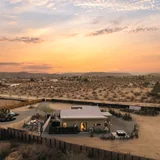
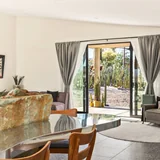
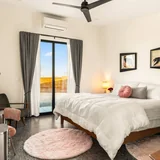
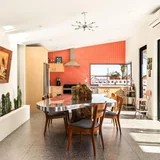
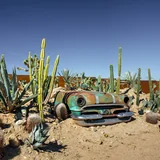
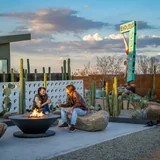
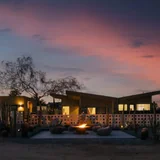
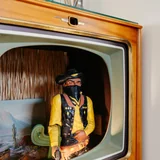
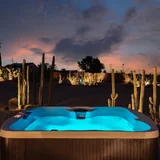
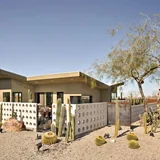
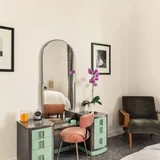
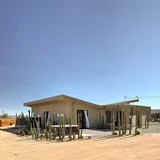
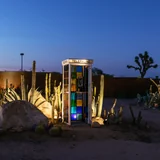
If you'd rather come back to a bed after a day in the park, the house in Yucca Valley is about 25 minutes from the West Entrance. It sleeps four in two king bedrooms, with a full kitchen, an outdoor grill, air conditioning and heating, a stock-tank pool and a private hot tub that's open all year, and a gas fire pit ringed by boulders. For the stars, there's a restored 1950s car turned into a bed with a custom stargazing roof. Dogs are welcome.
Know before you go
- Reservations. Black Rock, Cottonwood, Indian Cove, Jumbo Rocks, Ryan and Sheep Pass Group book on Recreation.gov, up to six months ahead.
- First-come. Belle, Hidden Valley and White Tank, $25 a night by card. Usually full by Friday afternoon from September to May.
- Summer. Belle, White Tank, Ryan and western Indian Cove close for the hot months. Check current dates.
- Water. Only at Black Rock, Cottonwood and the Indian Cove ranger station. Bring at least a gallon per person per day.
- Fires. Rings only, no gathered wood, and no campfires or grilling from June 15 to October 1.
- Showers. None in any park campground.
- Entrance fee. Separate from the camping fee. See our guide to entrances and fees.
- Changes. Fees, closures and rules change; confirm on nps.gov/jotr and Recreation.gov.
Camping or not, the park is an easy drive from Yucca Valley. If a bed and a hot tub sound better than a sleeping bag, check dates at the house.
Keep exploring
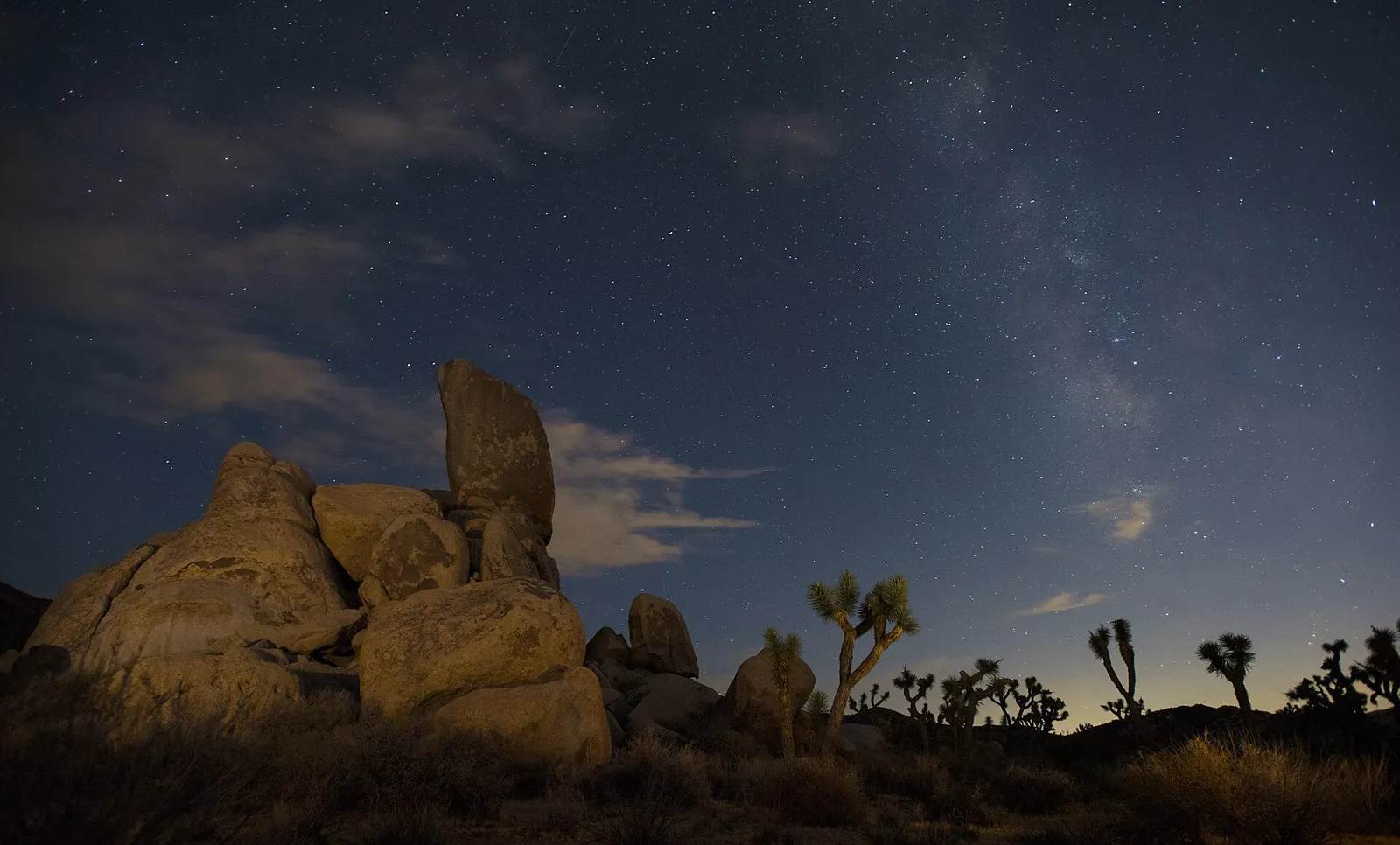
Where to Stargaze near Joshua Tree
Where to stargaze around Joshua Tree — an International Dark Sky Park — from the house itself to park pull-offs, the free Sky's the Limit Observatory and the Night Sky Festival.
Read →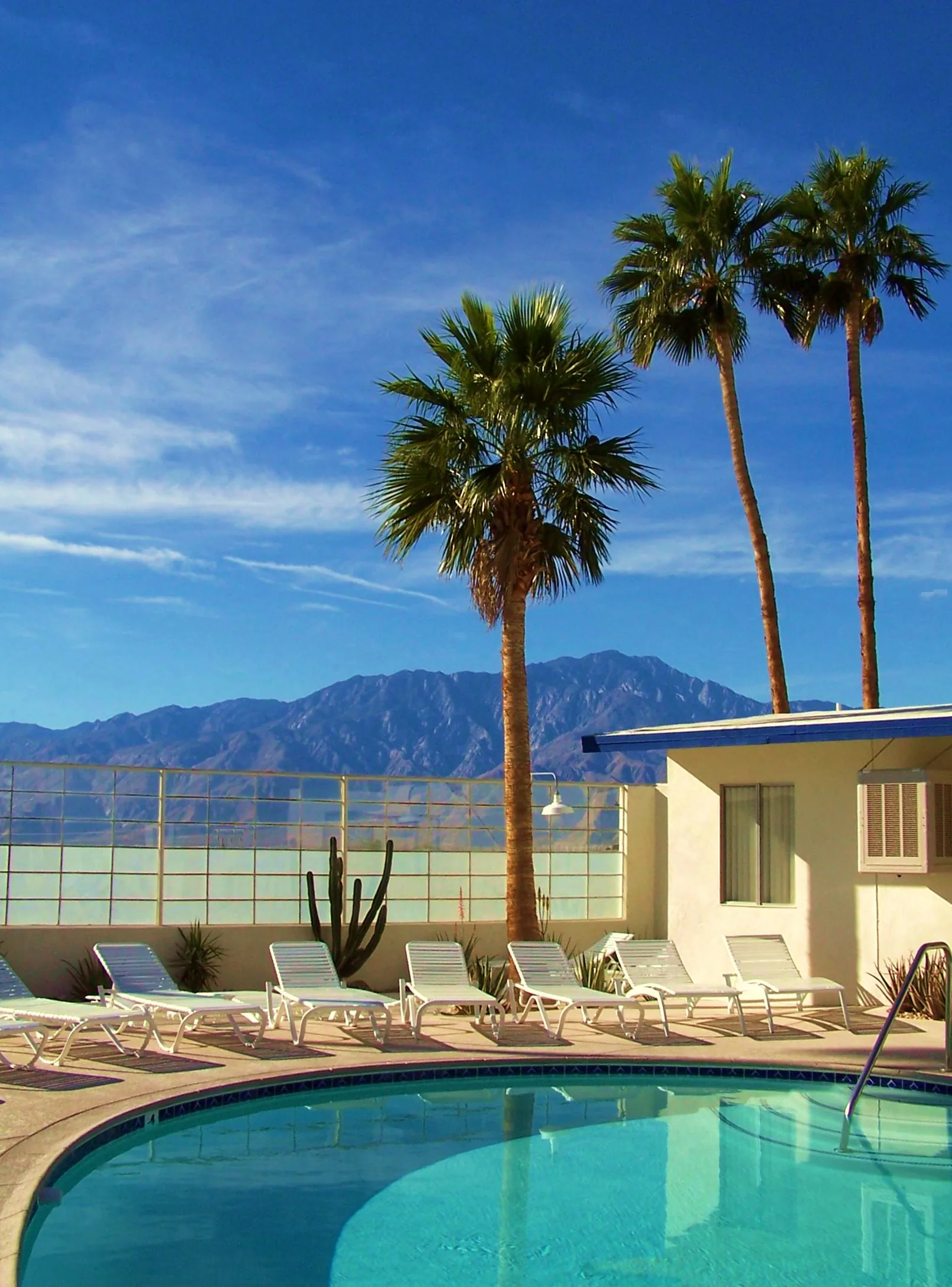
Hot Springs, Spas & Wellness in the High Desert
The high desert's wellness side — the Integratron sound bath, the natural hot mineral springs of Desert Hot Springs, and Joshua Tree's yoga scene. A guide to slowing down.
Read →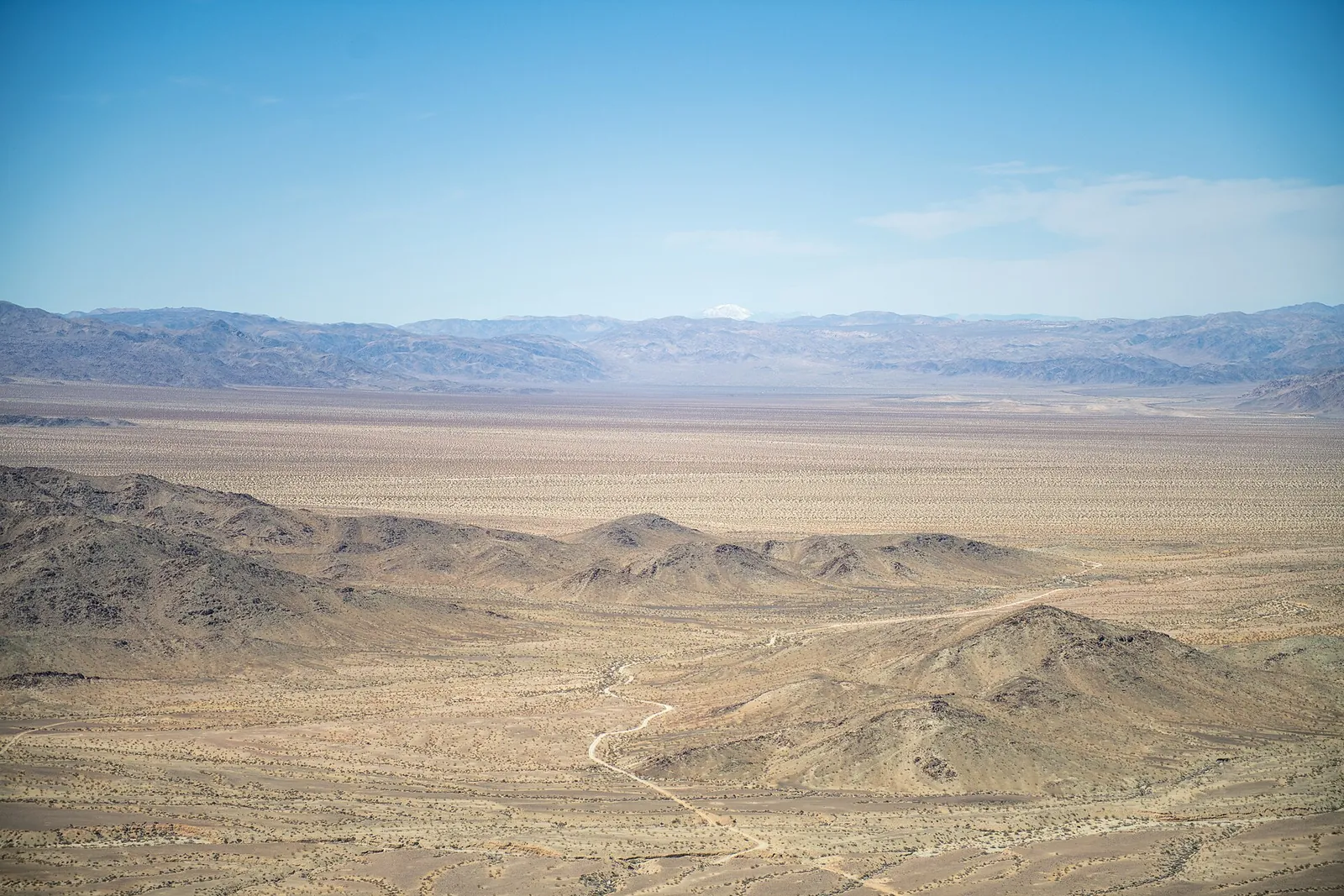
When to Visit: A Month-by-Month Guide
When to visit the high desert around Joshua Tree — an honest, season-by-season guide to the heat, the cold, the crowds and the best times for hiking, blooms and dark skies.
Read →