






































Joshua Tree & nature
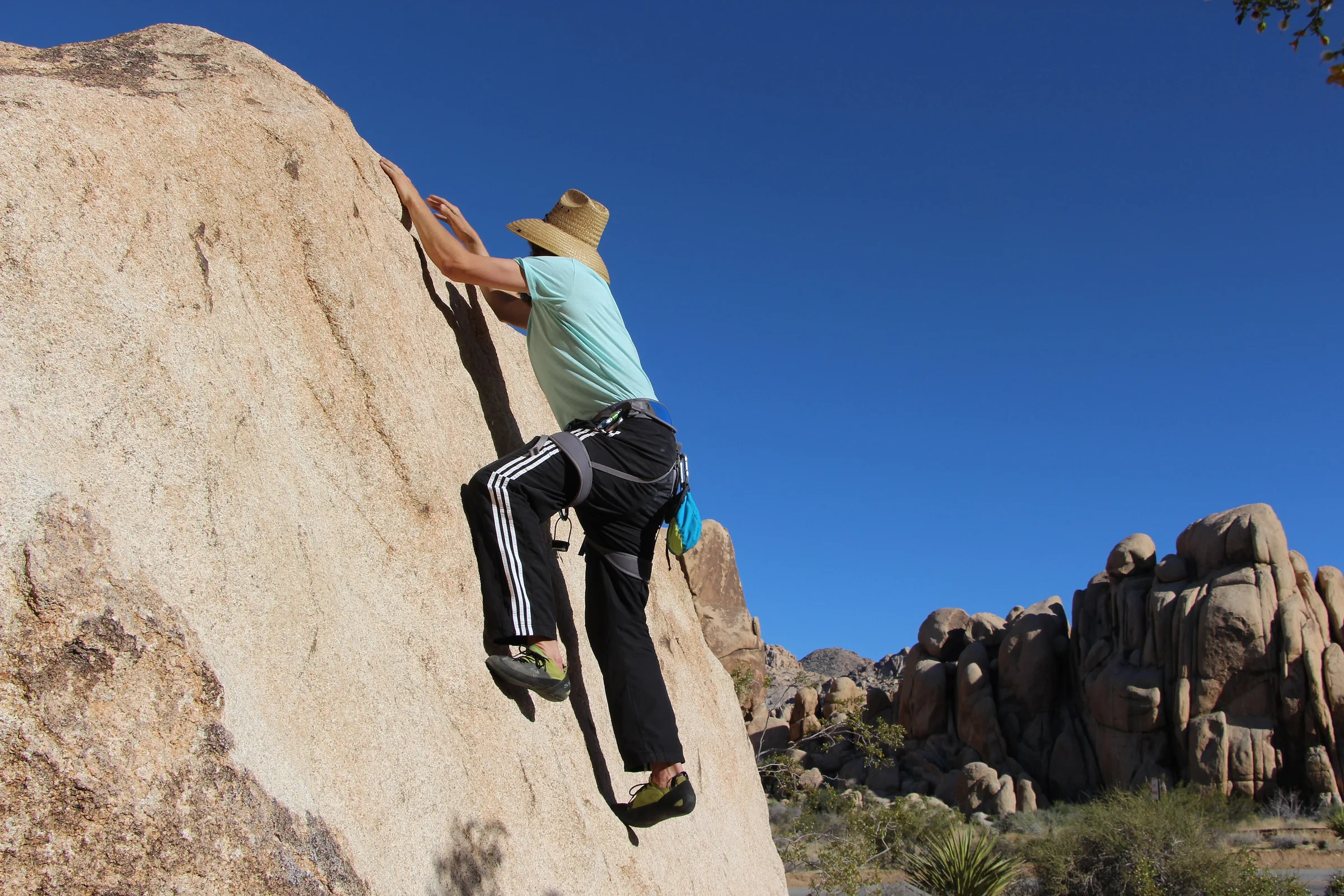
Rock Climbing & Bouldering in Joshua Tree
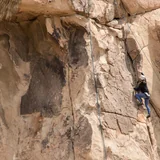
Joshua Tree is one of the great rock-climbing destinations in the world, and you can be roped up twenty-five minutes after leaving the house. The park's coarse, grippy granite draws climbers from everywhere, and the range of routes means it works for a curious first-timer and a hardened trad leader alike.
Why climbers love it
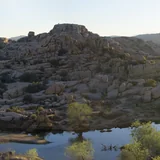
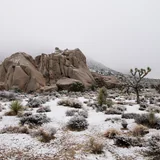
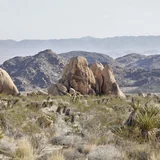
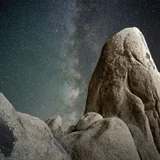
The rock here is quartz monzonite — friction-rich and weathered into thousands of domes, boulders and cracks. The park is best known for traditional (trad) climbing, where you place your own protection rather than clip fixed bolts, and for bouldering, which needs nothing but shoes, a chalk bag and a crash pad. There are hundreds of named formations and thousands of established routes across every grade, so the hard part is choosing.
When to go
The season runs roughly October through April. Autumn and spring are prime; winter days are often perfect, with cold rock and high friction, if you chase the sun. Summer is genuinely dangerous for climbing — the rock bakes and the afternoon heat is punishing — so from June to September, climb at first light or not at all.
Where to start
- Hidden Valley and the campground area — the historic heart of Joshua Tree climbing, packed with classic routes and boulders within a short walk of the road.
- Intersection Rock and Real Hidden Valley — a concentration of famous moderate climbs, and a good place to watch and learn.
- Quail Springs and Echo Cove — approachable areas with plenty of beginner-friendly lines.
If you've never climbed
Don't wing it on real rock. Several permitted local guide services run half- and full-day sessions for beginners, providing all the gear and, more importantly, the judgment. It's the safe, fast way to get a genuine day on the stone. If you already climb, you can rent or buy gear, guidebooks and last-minute essentials at the outfitters in the town of Joshua Tree.
Climb it right
The desert is fragile. Stick to established routes and approaches, keep chalk to a minimum and never leave tick marks or graffiti, pack out everything down to the tape scraps, and check at the visitor center for seasonal closures — some cliffs close in spring to protect nesting raptors. Treat the rock and the rangers well and Joshua Tree stays as good as it is.
Just want to watch?
You don't have to climb to enjoy it. Park near Hidden Valley around golden hour and you'll see ropes on the rock in every direction — one of the best free shows in the park — and the boulder loop is worth the walk even if you never leave the ground. Afterward, come back and drop into the stock-tank pool to take the sting out of your forearms.
Keep exploring
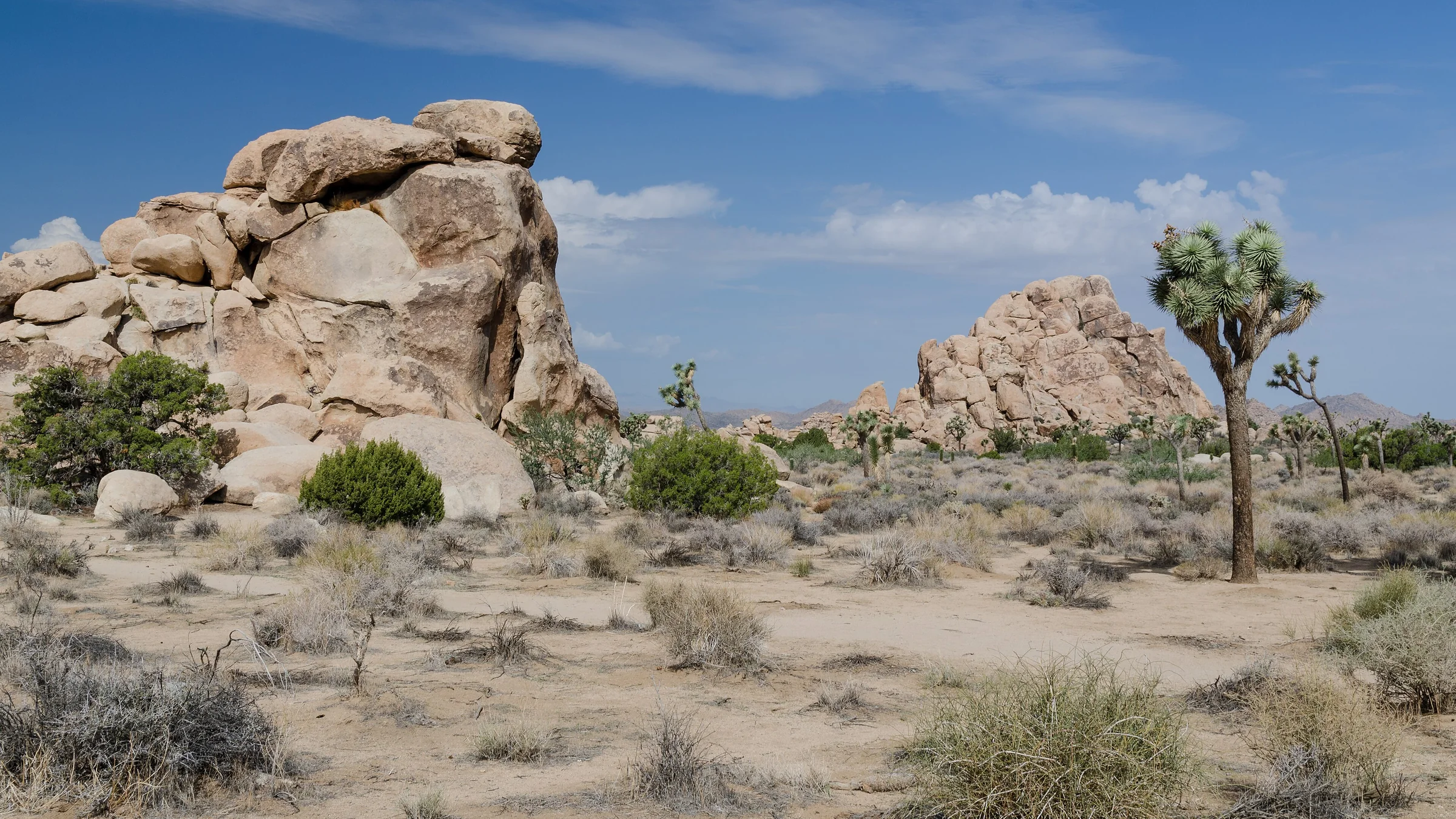
The Best Hikes in Joshua Tree National Park
The best hikes in Joshua Tree, shortest to longest — Hidden Valley, Barker Dam, Ryan Mountain, 49 Palms Oasis and Lost Horse Mine, about 25 minutes from the house.
Read →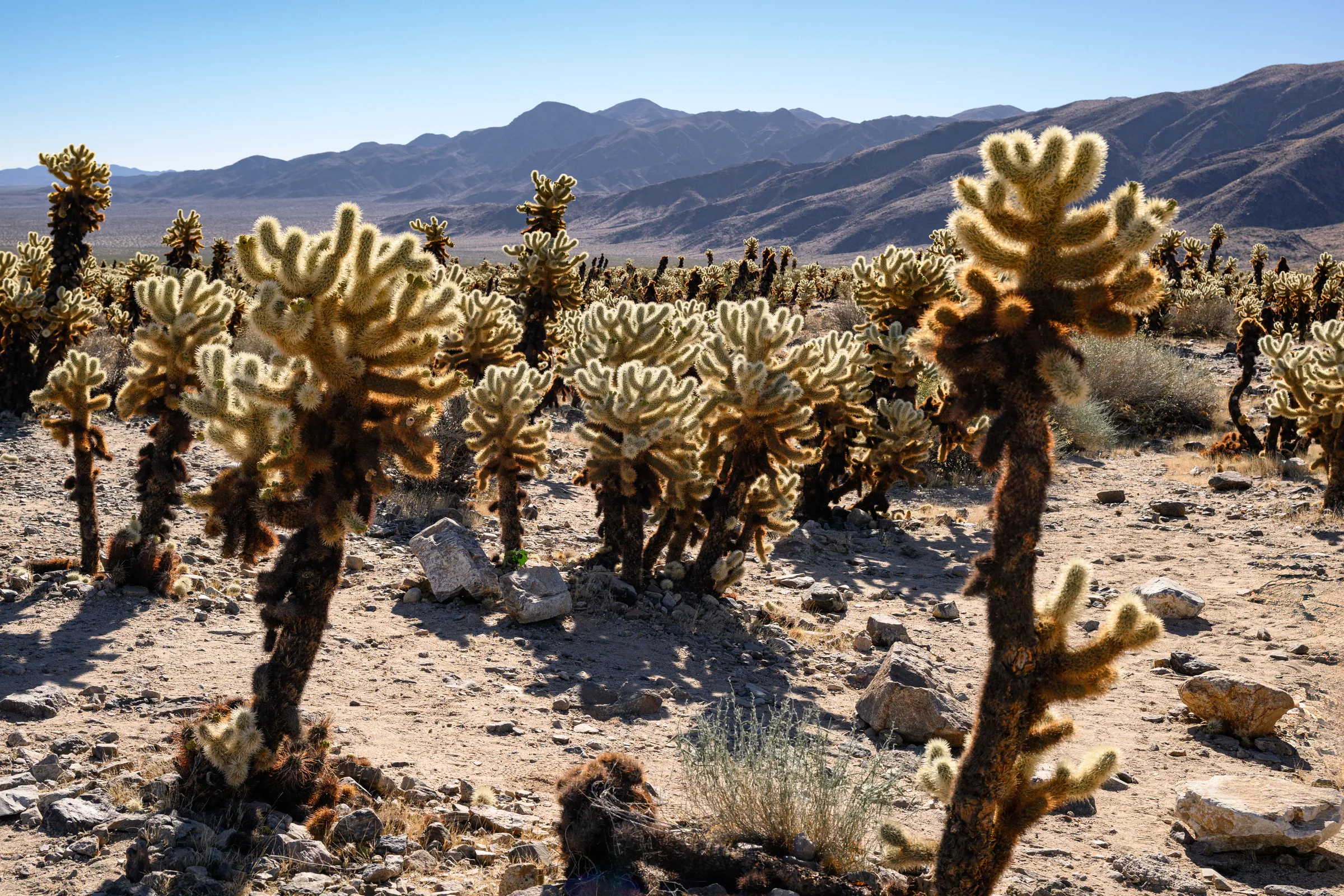
The Cholla Cactus Garden & the Park's Quiet South End
The Cholla Cactus Garden and Joshua Tree's quiet southern end — Cottonwood Spring, Lost Palms Oasis and the ocotillo patch, and how to do the drive from Yucca Valley.
Read →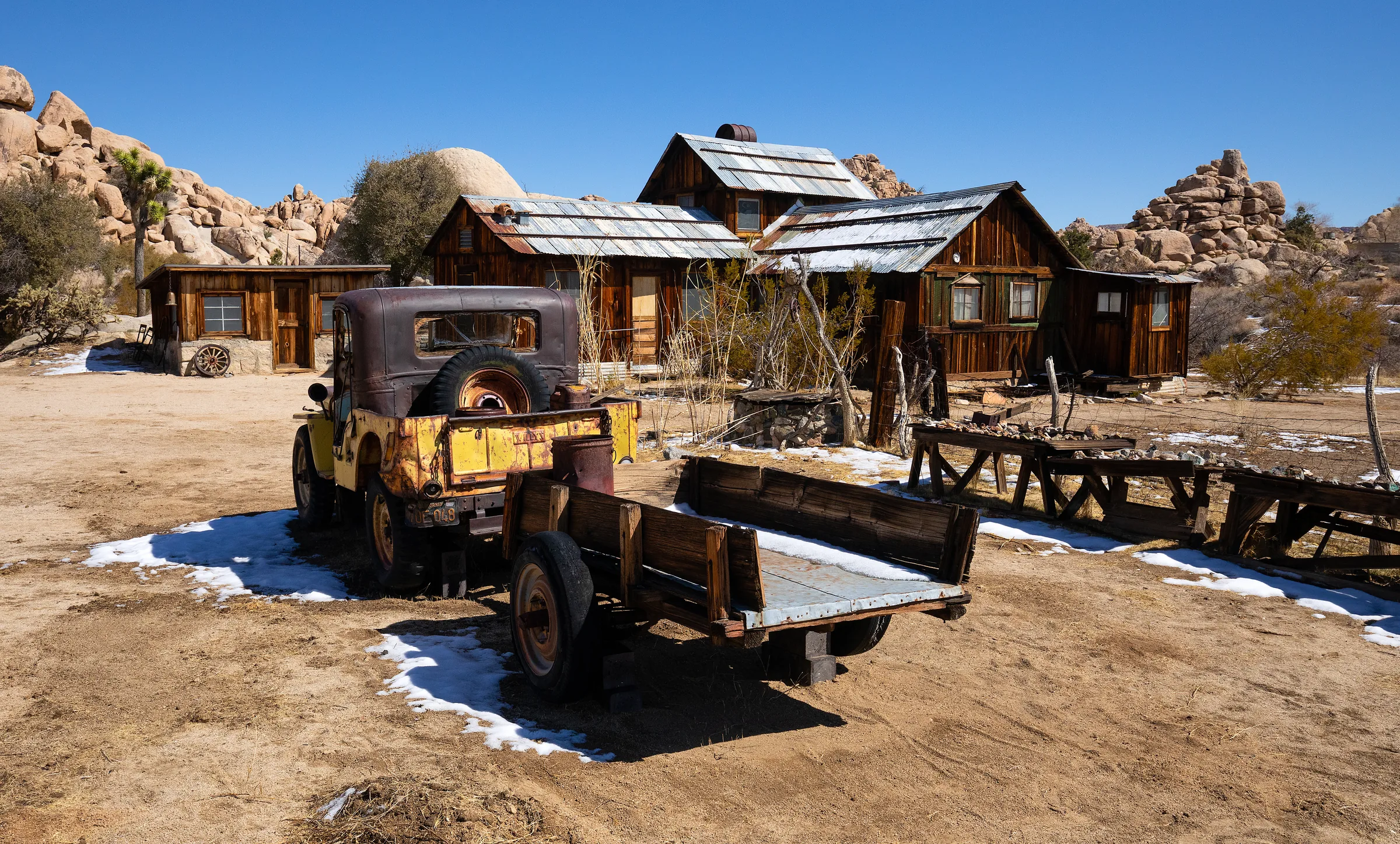
Keys Ranch: The Desert Queen Ranch Tour
Keys Ranch (the Desert Queen Ranch) in Joshua Tree — a preserved homestead you can only see on a ranger-guided walking tour. The Keys family story and how to book.
Read →