













Itinerary
How Many Days You Need in Joshua Tree
People ask how many days to spend in Joshua Tree the way they'd ask how long a piece of string is, and the real answer depends on what you came to do. Two days suits most first visits. One day works if you're passing through, and three or more lets the desert set the pace instead of your schedule. Here is what each trip length actually gets you, so you can settle on a number before you book.
The short answer
For a first trip, plan on two full days in the park and at least two nights nearby. That gives you one day for the famous west-side stops and a second to go deeper or slow down, with an evening for the night sky in between. One day is enough to say you've been and to see the headline formations, but you'll spend a lot of it driving and little of it sitting still. Three days is where the trip stops feeling like a checklist. Four or five turns it into a proper desert week, with room for the far corners of the park and the towns around it.
A few logistics shape every version of this. As of 2026 you don't need a timed-entry ticket or an entrance reservation to drive into Joshua Tree, unlike some other crowded parks, though it's worth a look at the park service site before you go, because reservation systems have been floated for busy parks in the past. The park is open 24 hours a day, every day of the year; when the entrance stations aren't staffed at night the gates stay open, so you can come and go. If you're mapping the whole trip end to end, our guide to planning a trip to Joshua Tree walks through the timing, the passes, and what to pack.
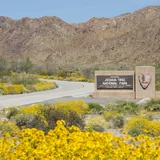
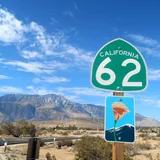
It also helps to know your way in. There are three entrances. The West Entrance, at the town of Joshua Tree about five miles south of the Highway 62 and Park Boulevard junction, is closest to the house and to the densest cluster of trails. The North Entrance sits in Twentynine Palms, three miles south of Highway 62 at Utah Trail, and it's handy if you're starting at the Joshua Tree National Park Visitor Center in downtown Twentynine Palms. The South Entrance, near Cottonwood off Interstate 10 about 25 miles east of Indio, is the one to use if you're coming up from the Palm Springs side or driving the park top to bottom. On fees, expect around $30 per vehicle for a seven-day pass; a Joshua Tree annual pass runs about $55, and the America the Beautiful pass that covers all federal sites is $80 for U.S. residents, though a separate, pricier non-resident annual pass was introduced for 2026, so check the current options before you buy. You can pick up maps and a pass at the Black Rock Nature Center in Yucca Valley, the visitor contact point closest to the house.
One day in the park
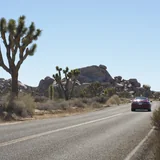
If you only have a single day, spend it on Park Boulevard, the scenic road that threads through the west and central park. The West Entrance is the busiest for a reason: the density of boulders, Joshua trees, and short walks near it is hard to beat. From the house it's about a 25-minute drive to that west gate, which means you can be walking a trail not long after breakfast.
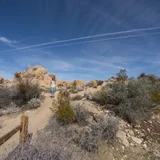
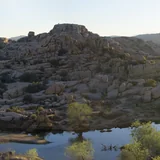
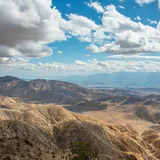
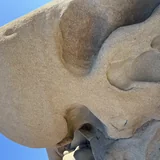
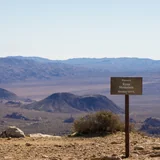
A workable one-day loop strings together the easy, high-reward stops. Hidden Valley is an easy one-mile loop that gains about 100 feet and circles a rock-enclosed basin once rumored to have hidden cattle rustlers; it makes a good first walk, packing the park's signature boulders and Joshua trees into a flat, easy mile. Barker Dam is a gentle loop of roughly 1.1 miles by the park service count, though it's often listed a little longer elsewhere, and it passes monzogranite boulders, a historic water tank, and a petroglyph site. Cap Rock is a short 0.4-mile nature loop named for the flat boulder perched on top of the formation. Skull Rock sits right beside the road near Jumbo Rocks Campground, its two hollow eye sockets worn into the granite by water pooling and weathering over a very long time. Finish at Keys View, a drive-up overlook at roughly 5,185 feet where a quarter-mile paved loop looks out over the Coachella Valley, the San Andreas Fault, the Salton Sea, and the San Jacinto and San Gorgonio peaks on a clear day.
Three things make or break a single day here. There is no water anywhere inside the park interior, so bring your own; a common guideline is at least one gallon per person per day. There are no gas stations, restaurants, or stores inside the park either, so fuel up and stock up in Joshua Tree, Yucca Valley, or Twentynine Palms first. And cell reception in the park is very limited and should never be relied on, so download an offline map before you drive in. If you want a stop-by-stop version of a first day, the first-timer's route through the park lays one out in order.
Because there's no food inside the park, plan your meals around the towns on Highway 62. Crossroads Cafe and JT Country Kitchen, the village's longest continuously running restaurant since 1977, both do a solid breakfast near the west gate; Joshua Tree Coffee Company roasts its own beans downtown; and the Frontier Cafe in Yucca Valley pours those beans on a dog-friendly patio. If you'd rather build a cooler of sandwiches to eat at a trailhead, there are two Stater Bros. grocery stores in Yucca Valley. Hours in the high desert change often and some spots keep short or seasonal schedules, so check before you count on a specific place.
Two days in Joshua Tree
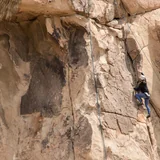
A second day is where the park opens up, because you can trade a rushed loop for a real hike and still have the afternoon free. Ryan Mountain is the classic choice: a strenuous three-mile round trip that climbs about 1,050 feet to a summit near 5,457 feet, with one of the widest views in the park. If a big climb isn't your thing, Split Rock is a moderate loop of about 2.5 miles among boulder piles, and Arch Rock is an easy loop of about 1.4 miles from the Twin Tanks trailhead out to a natural granite arch, with a much shorter spur to the arch from the White Tank Campground side if you'd rather keep it brief.
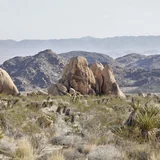
Two days also lets you understand what you're looking at. The park's stacked boulders are monzogranite, a pale granitic rock that cooled from magma miles underground more than 100 million years ago. Underground, it cracked along three sets of joints; groundwater then weathered the corners of those rectangular blocks into rounded shapes, and when the climate dried out, flash floods washed away the softened material and left the rounded boulders piled where you see them now. The Wonderland of Rocks, a maze of domes rising as high as about 300 feet, formed the same way. Once you know the story, Hall of Horrors and Jumbo Rocks read differently. Our roundup of the best hikes in Joshua Tree sorts these by effort so you can match a trail to your group.
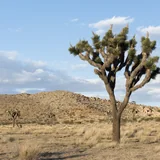
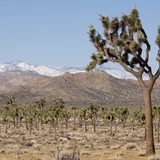
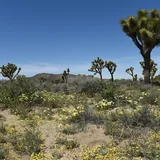
An extra day also gives the wildlife time to show itself, since most desert animals wait out the midday heat. The park stretches across two deserts: the higher, cooler Mojave in the west and north, where the Joshua trees grow, and the lower, hotter Colorado in the east and south, home to ocotillo, cholla, and creosote. That range is part of why more than 250 bird species and 45 reptile species have been recorded here. At dawn or dusk you might see a coyote crossing a wash, a black-tailed jackrabbit with its heat-shedding ears, a greater roadrunner, or a cactus wren, which builds its bulky nests down in the spines of a cholla. If you come across a desert tortoise, which spends about 95% of its life underground and is listed as threatened, keep your distance and never handle it; it's illegal, and picking one up can harm the animal.
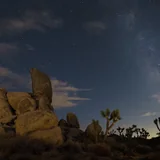
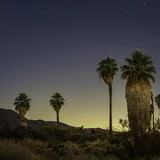
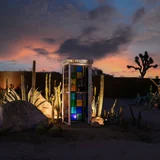
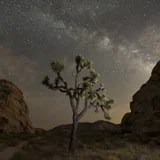
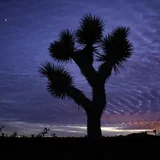
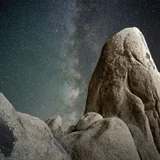
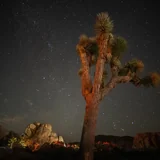
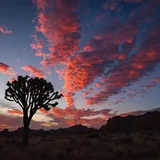
Then stay out after dark. Joshua Tree was designated an International Dark Sky Park in 2017 at the Silver Tier level, and its darker interior reaches roughly Bortle Class 2 to 3, dark enough to show the structured band of the Milky Way to the naked eye. In summer the bright galactic core rises in the south through Scorpius and Sagittarius; in winter Orion, Sirius, and the Pleiades take over the evening. Summer is the peak stretch for the Milky Way's bright core; in deep winter that core is essentially absent from the night sky, so match your expectations to the month. Rangers run free night-sky programs on a seasonal schedule, and the park hosts an annual Night Sky Festival in the fall, usually over several nights in October, but it's ticketed and the dates change every year, so check the park's event page. Give your eyes 20 to 30 minutes in the dark to adjust, and use a dim red light so a single glance at white light doesn't reset your night vision. You don't even need the park for this part; our notes on stargazing from the property cover what the sky does over the house.
Three days in the desert
With three days you stop optimizing. You can hike in the morning, take the heat of the afternoon somewhere shaded or wet, and go back out at golden hour without feeling like you're missing something. It's also enough time to add the park's human history to its geology.
The Keys Ranch tour is worth building a morning around. Bill Keys homesteaded the Desert Queen Ranch and, through successive claims, built it to roughly 880 acres, running cattle, a mine, and a stamp mill in what is now the park; he lived there until his death in 1969. The park service acquired the ranch in 1970, began tours in 1972, and the ranch was listed on the National Register of Historic Places in 1975. It's a ranger-guided walk, so check current schedules and whether tickets are needed. For a longer hike with a payoff at the end, Lost Horse Mine has two official versions: a four-mile round trip to a well-preserved stamp mill with about 550 feet of gain, or a 6.8-mile loop with about 900 feet, both rated moderate. Fortynine Palms Oasis is a strenuous three-mile round trip listed at about 300 feet of net gain, though it climbs over a ridge, so the real ascent is more than that number suggests. The park closes this trail every year from June 1 through September 30.
The history reaches back much further than the ranch. This is the ancestral land of the Serrano, Cahuilla, Chemehuevi, and Mojave peoples, who lived around the desert springs for thousands of years before Euro-American settlement. The park itself was first protected as Joshua Tree National Monument on August 10, 1936, after a campaign led by the Pasadena conservationist Minerva Hoyt, and it was redesignated a national park in 1994 under the California Desert Protection Act, which pushed its boundaries past 790,000 acres. There's a music thread too: Cap Rock, the roadside formation on Park Boulevard, is an informal pilgrimage spot for fans of the country-rock musician Gram Parsons, whose body was partly cremated there in 1973. And if you grew up on the U2 album named for the tree, it's worth knowing the lone tree on its cover never grew in the park at all; it stood far to the north near Darwin, California, and fell around 2000.
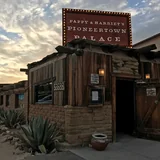
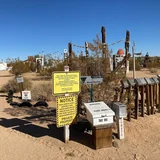
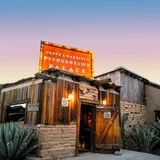
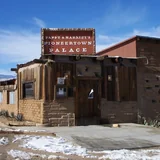
A third day is also room for the towns, and this is where a lot of the character of the high desert lives. Pioneertown, built in 1946 as a live-in Old West movie set with functioning buildings that doubled as film facades, took its name from the Sons of the Pioneers and hosted more than 50 films and TV shows; founders and backers included Dick Curtis and Roy Rogers, with Gene Autry among those who filmed there. Pappy & Harriet's sits at the end of its main street as a barbecue and Tex-Mex spot and a well-known live-music stage. Down the road, the Noah Purifoy Outdoor Desert Art Museum holds more than 100 large assemblage sculptures the artist built from found materials between 1989 and 2004, spread over about ten acres, and it's free and open to the public. If your group would rather not scramble over rocks, the Oasis of Mara at park headquarters in Twentynine Palms is a paved half-mile loop with benches and interpretive panels, and it's the park's most accessible walk, though part of the trail has been closed after flood damage, so check the park's alerts first. For a full change of scenery, Palm Springs is roughly a 50-minute drive from the house; the Palm Springs day trip guide covers what's worth the drive down the hill.
Four or five days and slow travel
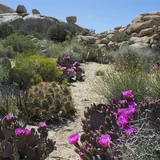
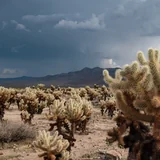
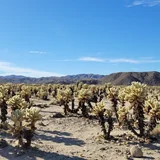
Four or five days is where the far corners of the park come into reach, and where the days finally slow down. The south end is the big addition. The Cholla Cactus Garden Loop is a quarter-mile walk through a dense stand of teddybear cholla in the Pinto Basin, about 12 miles south of the north entrance; the segments detach at the lightest touch and hitch a ride on their spines, which is why the park service warns you not to try to pet them. Nearby, ocotillo sends up red-orange flowers in spring in the hotter, lower Colorado Desert part of the park. Keep going to Cottonwood and you reach Lost Palms Oasis, a strenuous round trip of about 7.5 miles to the park's largest palm oasis, and the Mastodon Peak loop, about three miles with Salton Sea views and an old mine along the way. Our guide to the cholla garden and the southern park maps out that whole lower end.
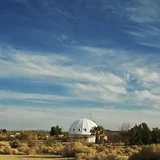
Longer stays also leave time for the odder corners of the basin. The Integratron in Landers is a 38-foot-high, 55-foot-diameter all-wood dome that George Van Tassel built over roughly 18 years starting in the late 1950s, meant as a rejuvenation machine; today it runs acoustic sound-bath sessions by appointment. Big Morongo Canyon Preserve and Whitewater Preserve add water and birdsong to a trip that is otherwise all rock and sky. If your days line up with a Saturday, the Joshua Tree farmers market runs on Saturday mornings, roughly 8am to 1pm, though it's seasonal and weather-dependent, so confirm before you count on it.
A longer stay also earns you a proper night out. Pappy & Harriet's puts live music behind its barbecue. For a daytime meal, La Copine, out in the Flamingo Heights stretch near Pioneertown, serves a rotating New American lunch Thursday to Sunday. Hours change, so check before you go. If you're here in autumn, don't be alarmed by the tarantulas wandering in the open; those are almost always males out looking for a mate, and the park service calls them timid, noting they won't bite unless seriously provoked. Families can pick up a free Junior Ranger booklet at any visitor center, and kids of any age can earn a badge by finishing the activities. If you think you'll be back within the year, the roughly $55 Joshua Tree annual pass pays for itself in a couple of visits.
Slow travel here also means doing less on purpose. With four or five days you can spend a full day without leaving the property, swim in the afternoon, and let a single hike be the whole plan. Nobody sees everything in the park in a week; there are over 250 recorded bird species, 45 reptile species, and more than 8,000 climbing routes, so the point isn't to finish it. Plenty of people who love this place come back two and three times before they feel like they know it.
What decides your number
Season is the first thing to weigh, because it changes both what's comfortable and how crowded you'll be. Spring, roughly March through May, is the busiest stretch and the peak wildflower window; fall is popular too. The cooler months from October through May are the comfortable, high-visitation season. Summer is the quietest time precisely because daytime highs regularly top 100°F, and winter thins out too, though nights drop to freezing. Late summer can also bring brief monsoon thunderstorms, roughly July through September, which occasionally trigger flash flooding in the washes, so leave some flexibility if you visit then. If you're coming in summer, you'll effectively get fewer usable hours per day, which argues for more nights to fit the same amount of walking into cooler mornings and evenings. Our when-to-visit guide breaks the seasons down in more detail.
Your interests matter as much as the calendar. A hiker who wants Ryan Mountain, Lost Horse Mine, and an oasis trail needs more days than someone happy with roadside stops and a pool. A climber has 8,000-plus routes and over 2,000 boulder problems to work through and could fill a week without repeating a wall. A photographer plans around the soft light at each end of the day and the Milky Way at night, which means early starts and late finishes and, realistically, more nights. If you mostly want to relax with the park as a backdrop, two days is plenty.
Two more things quietly set your number. Crowds swing with the calendar: holiday weekends and the entrance-fee-free days the park service designates each year draw the biggest crowds, so if you're visiting then, an extra day gives you room to reach the popular trails early before the lots fill. And who's in your group matters. Most park trails are natural dirt and sand rather than paved, so if anyone uses a wheelchair or you're traveling with small children, you'll lean on the accessible options like the Oasis of Mara and the short paved path at Keys View, and you may want to spread the park across more, shorter visits.
Finally, factor in how far you're driving and whether you want the whole basin or just the park. Yucca Valley is roughly 120 miles from Los Angeles, about two to two and a half hours by way of Interstate 10 and Highway 62, though traffic can add a good deal; San Diego is about 150 miles and roughly two and a half hours; Las Vegas is around 200 miles and about three and a half. Check current drive times before you go, since Southern California traffic and the climb up Highway 62 out of the I-10 junction can stretch them. A long drive in argues for one more night so the travel days don't eat your park days. Our post on driving to Joshua Tree covers the routes and the last places to stop for fuel and food.
How the house changes the math
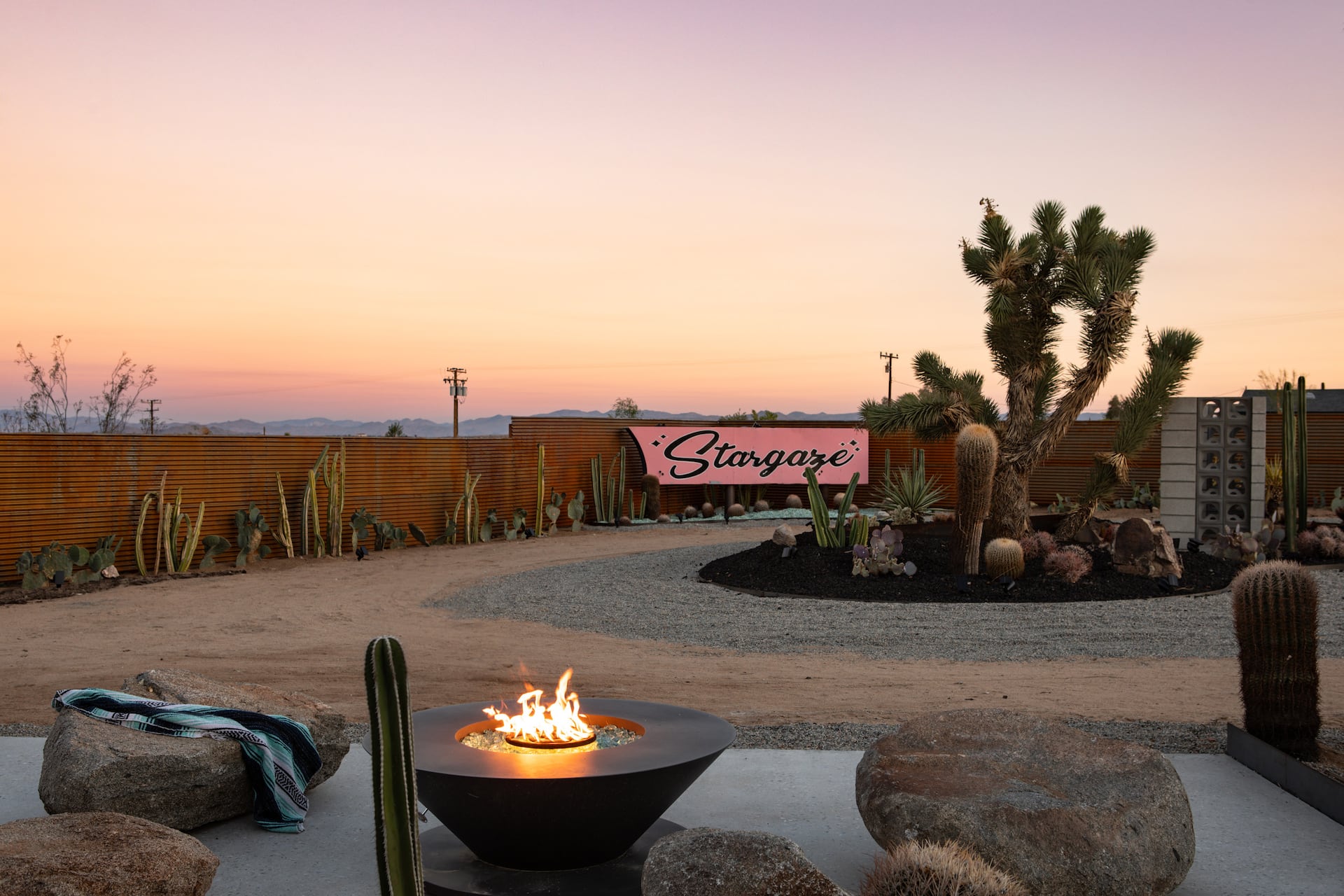
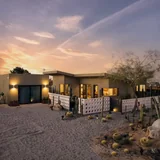
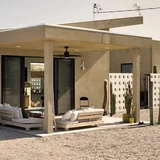
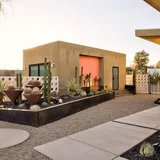
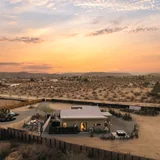
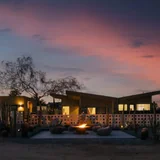
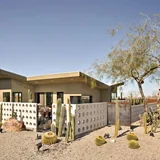
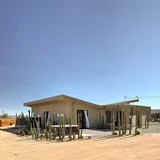
Where you base yourself quietly changes how many days you need, because a good base lets you do shorter park days without feeling shortchanged. Stargaze Escape sits in Yucca Valley, about 25 minutes from the west entrance and roughly 50 minutes from Palm Springs, so the park is close enough to reach for a morning and leave when the heat climbs. It's an Airbnb Luxe whole-house rental that sleeps four in two king bedrooms, on a fully fenced desert lot planted with thousands of cacti, agave, and Joshua trees, rated 5.0 across 54 reviews and marked a Guest Favourite.
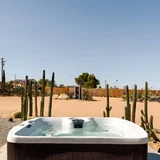
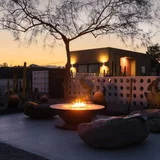
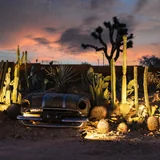
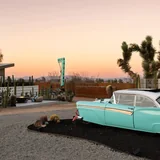
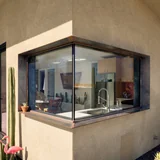
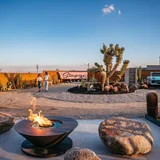
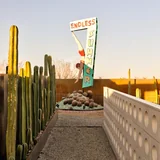
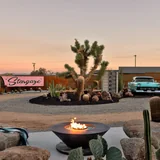
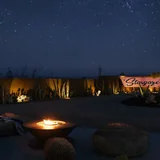
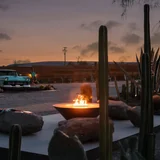
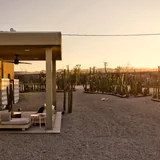
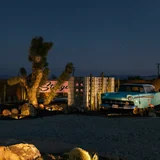
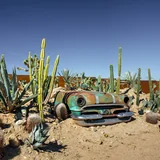
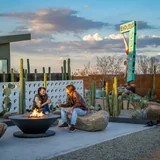
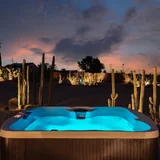
The features here are the reason a two- or three-day trip stretches further than it would from a motel. There's a stock-tank pool under a vintage painted "Endless Summer" metal sign, a private hot tub that's open all year, and an indoor freestanding soaking tub by a wide window onto a private courtyard. Outside, a gas fire pit ringed by natural boulders takes the chill off desert nights, and a restored 1950s car has been turned into an open-air bed, parked on the gravel with a custom stargazing roof that can be pulled back, so you can lie there and watch the sky without leaving the property. That metalwork, including the car-to-bed conversion and the fire pit, was fabricated by Emerick's Ironworks. One review put it plainly: "photo-worthy spots everywhere." You can see the pool and hot tub setup on the pool and hot tub page.
Practically, the house solves the park's two biggest gaps. There's a full kitchen plus an outdoor BBQ grill, which matters because there's no food inside the park, and air conditioning and heating for summer highs and freezing winter nights. In summer, a base 25 minutes out lets you flip the day around: hike at first light, come back to swim through the worst of the afternoon heat, then head out again for sunset and the stars. The house is dog-friendly, too, though cats can't stay because of a household allergy. Dogs can't join you on park trails anyway; in Joshua Tree they're allowed only within 100 feet of roads and parking areas, on a leash no longer than six feet, so on hiking days a dog is better left at the house with the air conditioning than waiting in a hot car. A few house rules keep it easy for everyone: quiet hours from 10pm, no glass near the pool or hot tub, and leaving the cacti and rocks as you found them.
Common planning mistakes
The most common miscalculation is underestimating the park's size. Joshua Tree covers more than 790,000 acres, and the drive from the west entrance down to the Cholla Cactus Garden and Cottonwood in the south takes far longer than people expect. Treating the south end as a quick add-on to a west-side day is how a relaxed plan turns into six hours in the car. If you want the cholla and the oases, give them their own half-day.
A few others come up again and again:
- Not enough water. There's none in the park interior, so carry at least a gallon per person per day, more in heat.
- Counting on your phone. Cell service is very limited inside the park; download an offline map before you lose signal at the gate.
- Hiking midday in summer. With highs over 100°F, save the walking for early morning and evening and use the afternoon for the pool or a shaded drive.
- Expecting a wildflower show. Blooms depend heavily on winter rain, and big "super bloom" years only come around roughly every five to ten years, so check the park's current wildflower report rather than assuming.
- Booking too few nights. If you're driving two hours or more each way, the travel eats into a two-night stay fast; one extra night often makes the difference between rushed and easy.
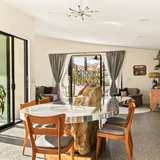
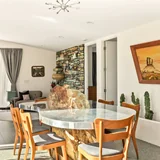
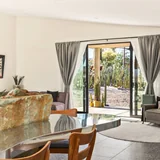
The last one is the theme of this whole post. Almost nobody comes back from Joshua Tree wishing they'd scheduled it tighter. The desert rewards the day you didn't fill, whether that's a slow morning by the boulder-built dining table or an unplanned second visit to a trail you liked.
Planning your stay
If you take one number from all of this, make it two full park days and three nights: enough for the west-side classics, a bigger hike or the southern end, and an evening under the dark sky, without the drive home swallowing your last morning. Add a night for every extra thing you care about, whether that's climbing, the towns, or just more time in the pool. Shorten it to a single day only if you're passing through and know you'll be back.
When you've settled on your number, look at the calendar and book your nights at Stargaze Escape before your dates fill, then use the days between now and the trip to line up your passes, your packing, and your route.