










Joshua Tree & nature
The Cholla Cactus Garden & the Park's Quiet South End
Most visitors never see the southern half of Joshua Tree. They hit the boulders near the west entrance and turn around, which is a mistake. The drive down Pinto Basin Road to the Cholla Cactus Garden and the Cottonwood area is one of the best half-days in the park, and it's almost always quiet.
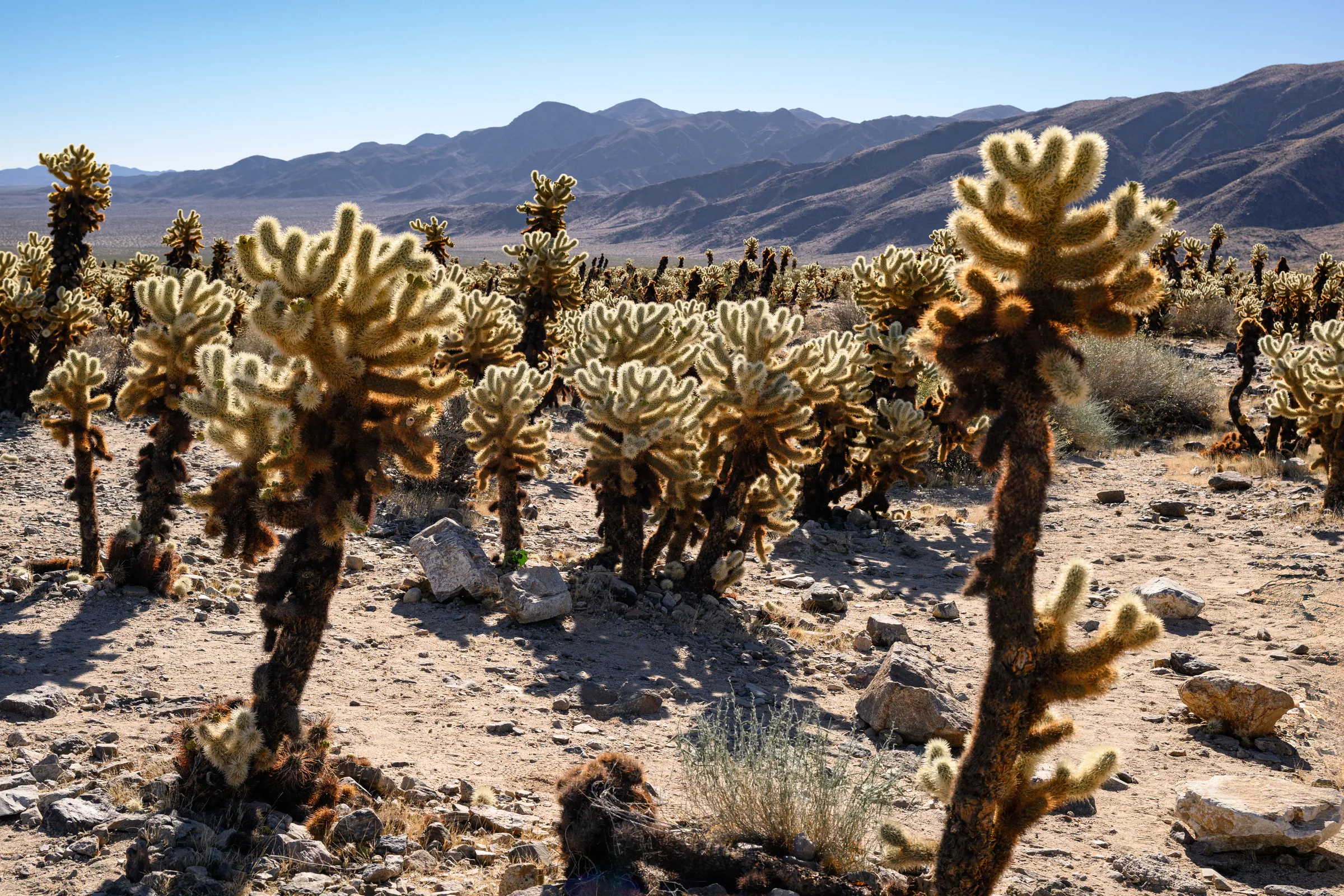
The Cholla Cactus Garden
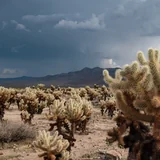
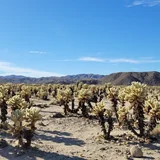
About twenty miles into the park from the north, the road drops into a natural stand of Bigelow cholla so dense it looks planted. A flat quarter-mile loop runs right through it. In low, raking light at sunrise or sunset the fuzzy spines glow gold, which is why photographers make the drive. One firm warning: do not touch them. The nickname "teddy bear cholla" is a cruel joke — the segments detach at the lightest brush and the barbed spines are miserable to get out. Keep kids and dogs close, stay on the path, and you'll be fine.
Cottonwood Spring and the far south
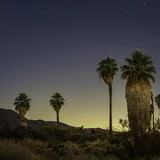
Keep going and the Mojave scenery gives way to the lower Colorado Desert. Near the south entrance, Cottonwood Spring is a real oasis — a cluster of fan palms and cottonwoods around a spring the Cahuilla people and later gold miners relied on. From there the Lost Palms Oasis trail runs about 7.5 miles round trip to the largest palm grove in the park, a proper half-day hike with solitude as the reward. Shorter legs can walk the Bajada Nature Trail, a flat loop through desert plants near the entrance.
Look for the ocotillo
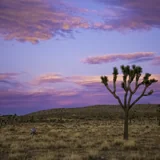
Between the cholla garden and the south end, watch for the Ocotillo Patch — tall, whip-like stems that look dead most of the year and then, for a few weeks after rain, leaf out green and tip themselves with red flowers. If you catch it in bloom, stop the car.
How to do it
This is a drive, so treat it as its own trip rather than a quick add-on. From Stargaze it's simplest to enter at the west or north gate and head south down Pinto Basin Road, then either loop back the way you came or exit at the south entrance onto Interstate 10 (about an hour back to the house that way). Fuel up first, carry lunch and plenty of water, and remember there's no shade and no services down there. Early is best, both for the light on the cholla and for having the place to yourself. For the northern trails and quick loops, see our guide to the best hikes in Joshua Tree.
Keep exploring
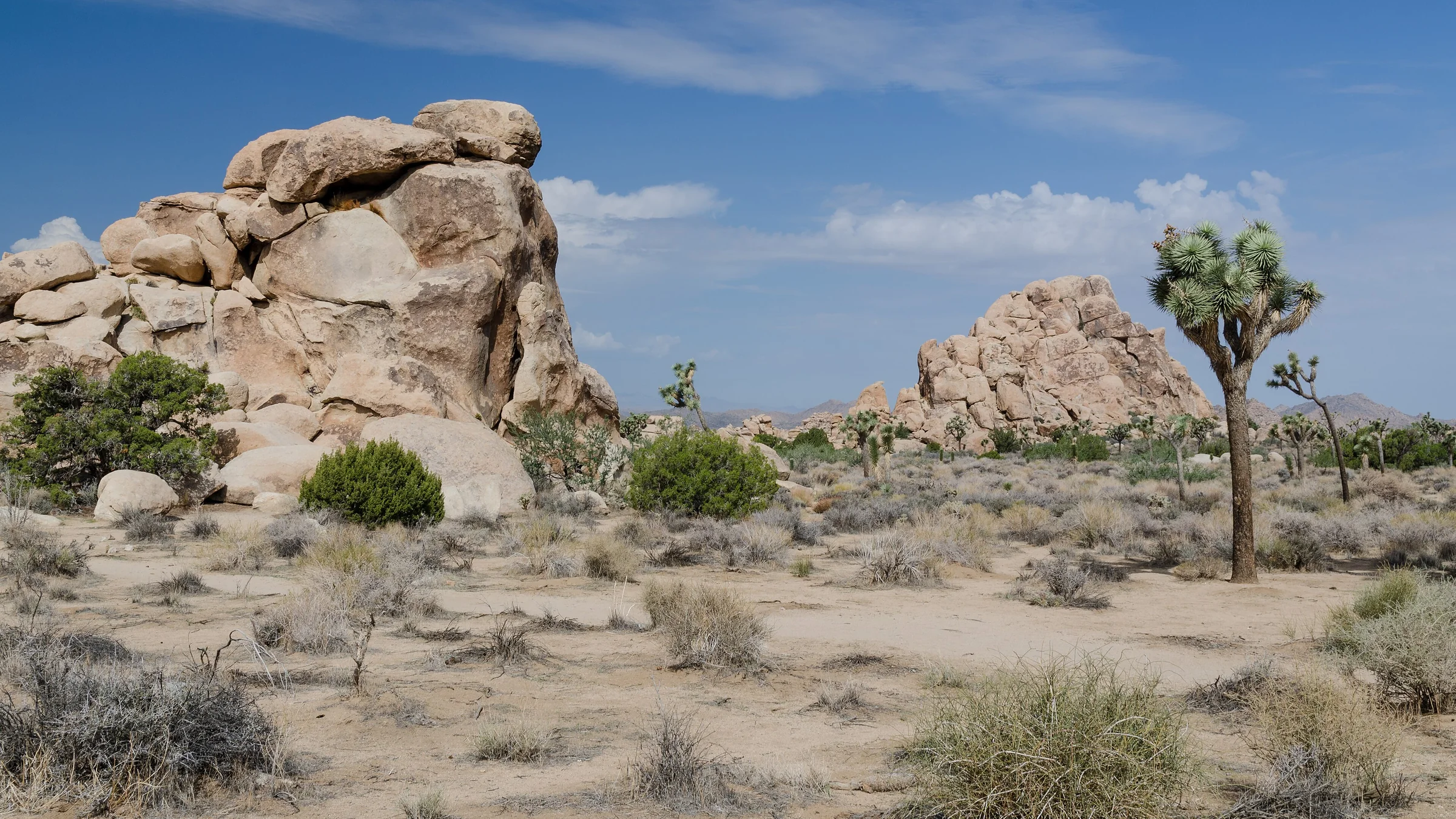
The Best Hikes in Joshua Tree National Park
The best hikes in Joshua Tree, shortest to longest — Hidden Valley, Barker Dam, Ryan Mountain, 49 Palms Oasis and Lost Horse Mine, about 25 minutes from the house.
Read →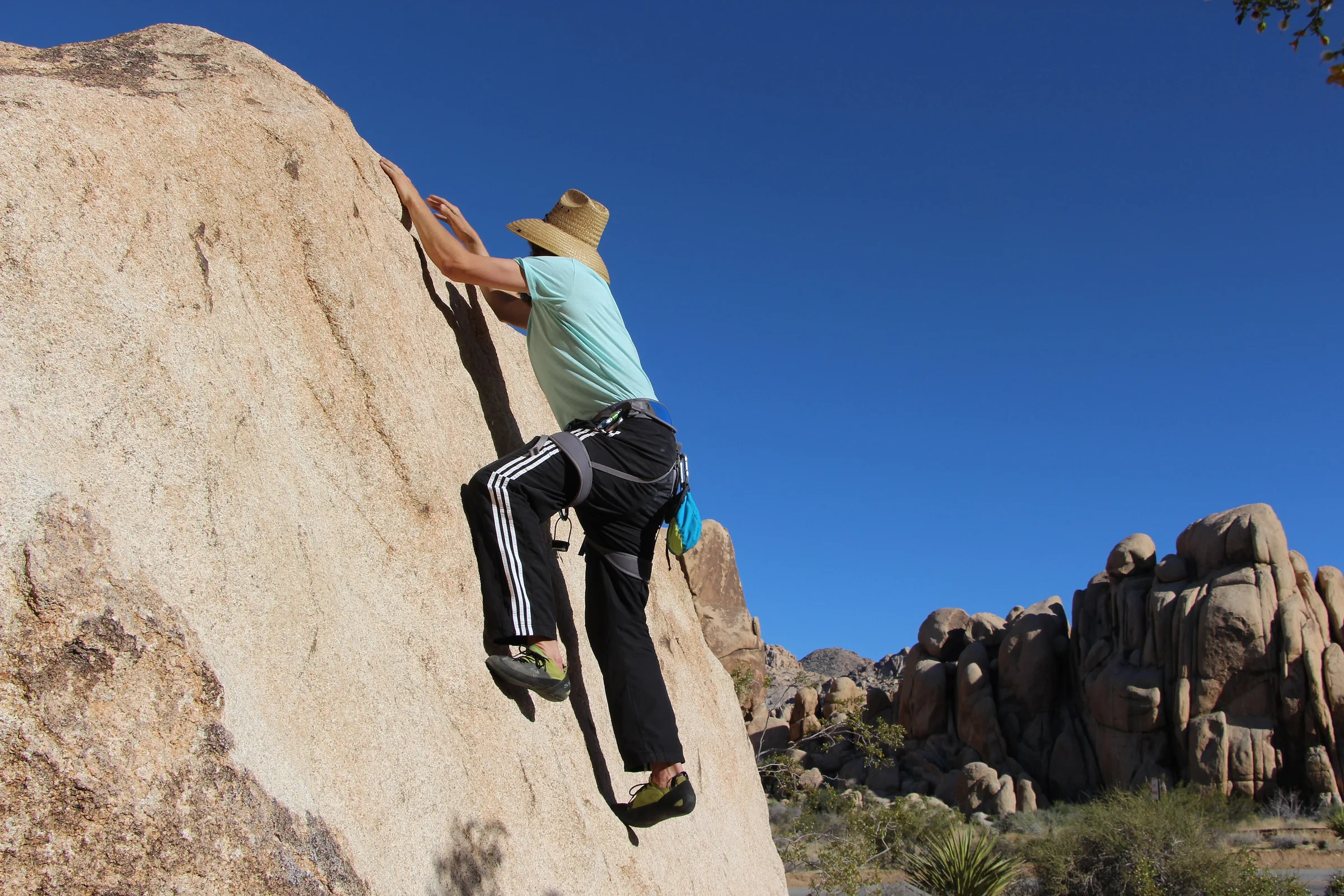
Rock Climbing & Bouldering in Joshua Tree
Joshua Tree is a world-class rock-climbing and bouldering destination. Where to start, when to go, how to climb it responsibly, and how to hire a guide if you're new.
Read →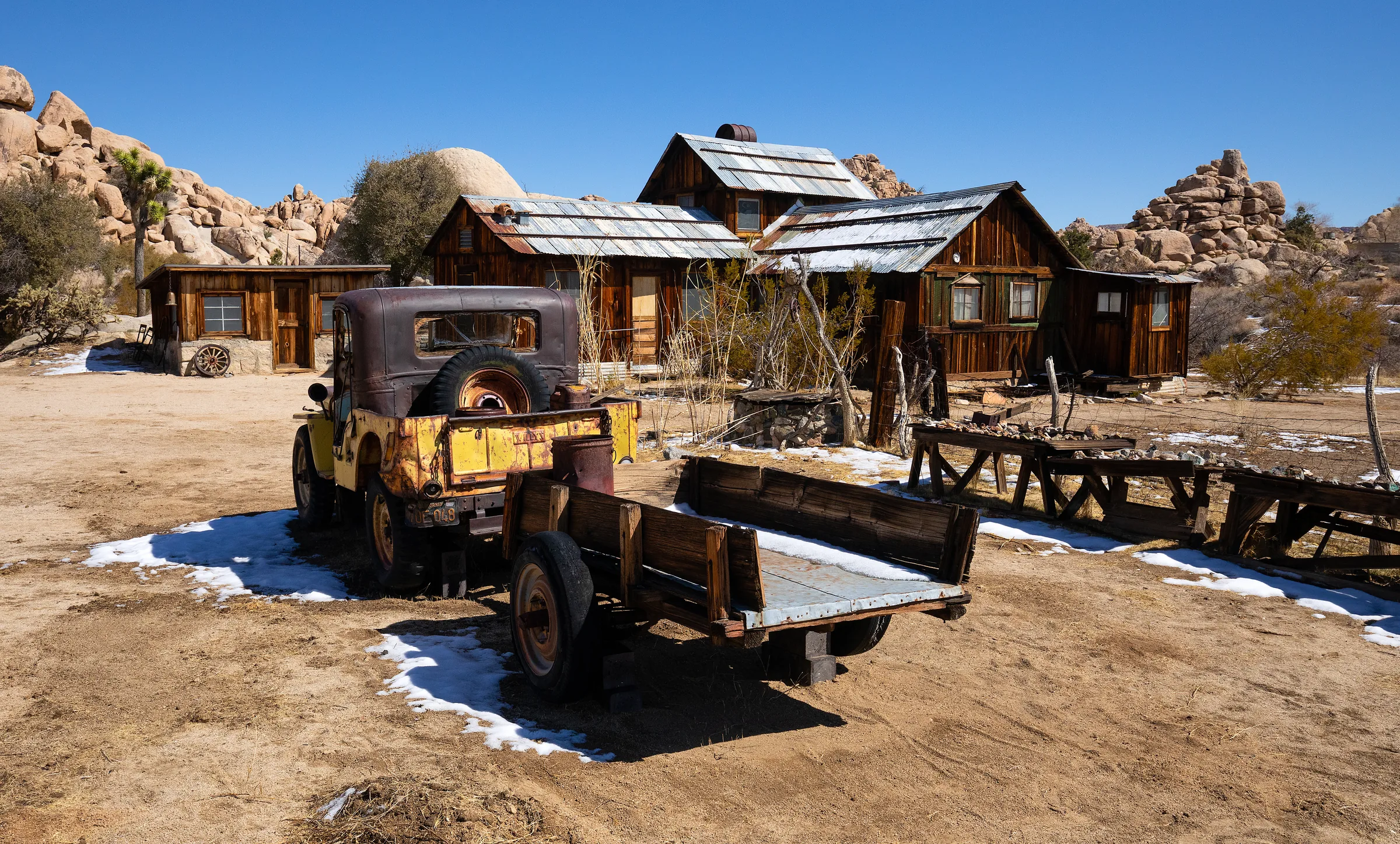
Keys Ranch: The Desert Queen Ranch Tour
Keys Ranch (the Desert Queen Ranch) in Joshua Tree — a preserved homestead you can only see on a ranger-guided walking tour. The Keys family story and how to book.
Read →