























Practical
How to Keep the Night Dark
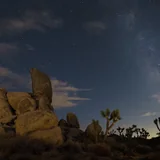
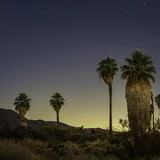
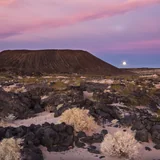
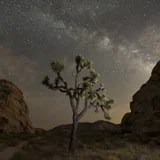
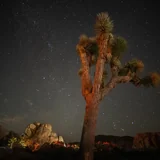
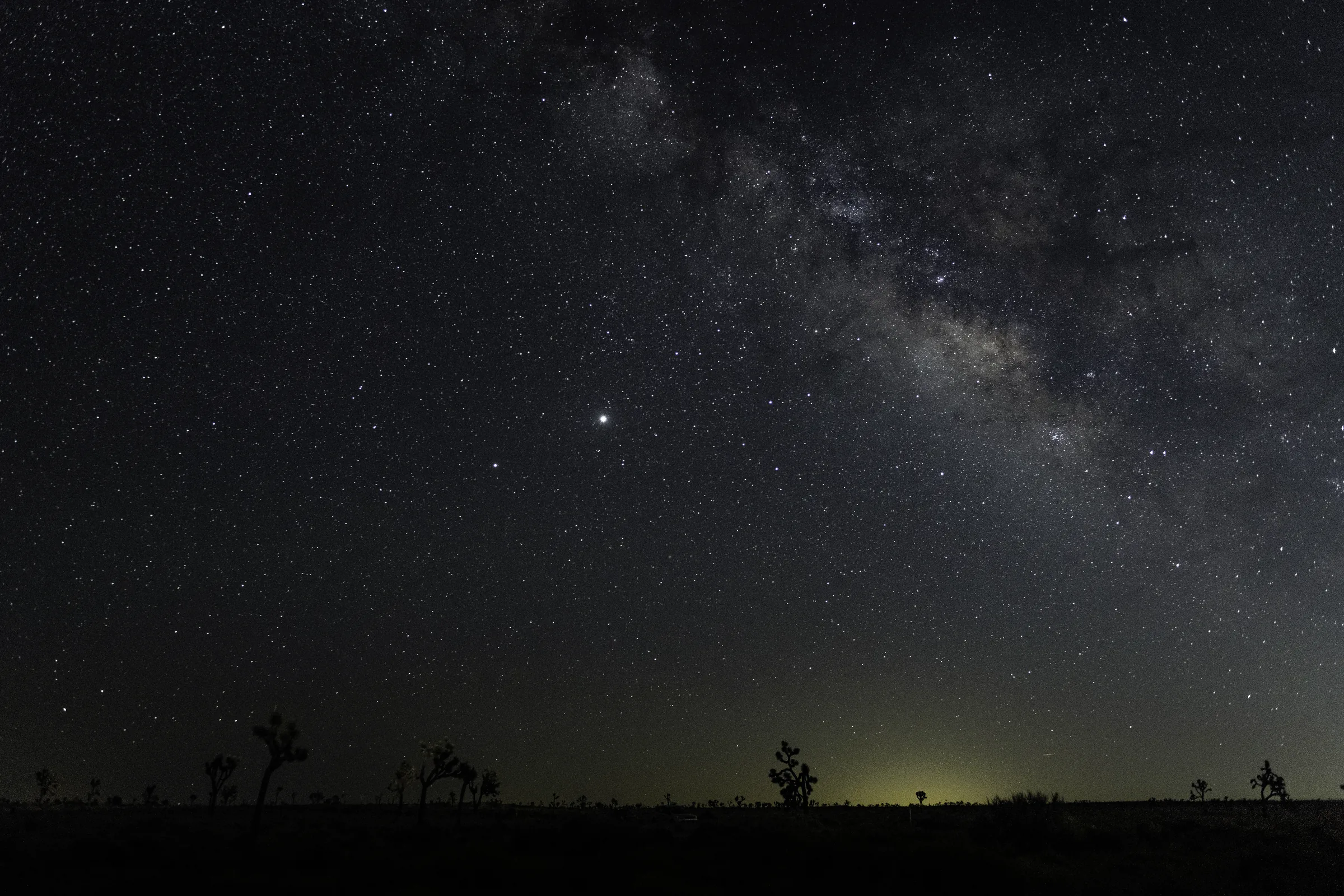
The sky over the lot goes properly dark on a moonless night, and Joshua Tree National Park next door has been an International Dark Sky Park since 2017. Dark skies are easy to lose and slow to get back, so here is how we keep ours, and how you can get the most out of it.
Give your eyes twenty minutes
Your eyes take around twenty to thirty minutes to adapt fully to the dark, and a single look at a phone screen resets the clock. Put the phone face down, or switch it to a red night mode, before you lie back in the car bed.
Red light only
A red flashlight or headlamp lets you find your drink without ruining your night vision. Most headlamps have a red mode, and a layer of red tape over a normal torch works too.
Lights off outside
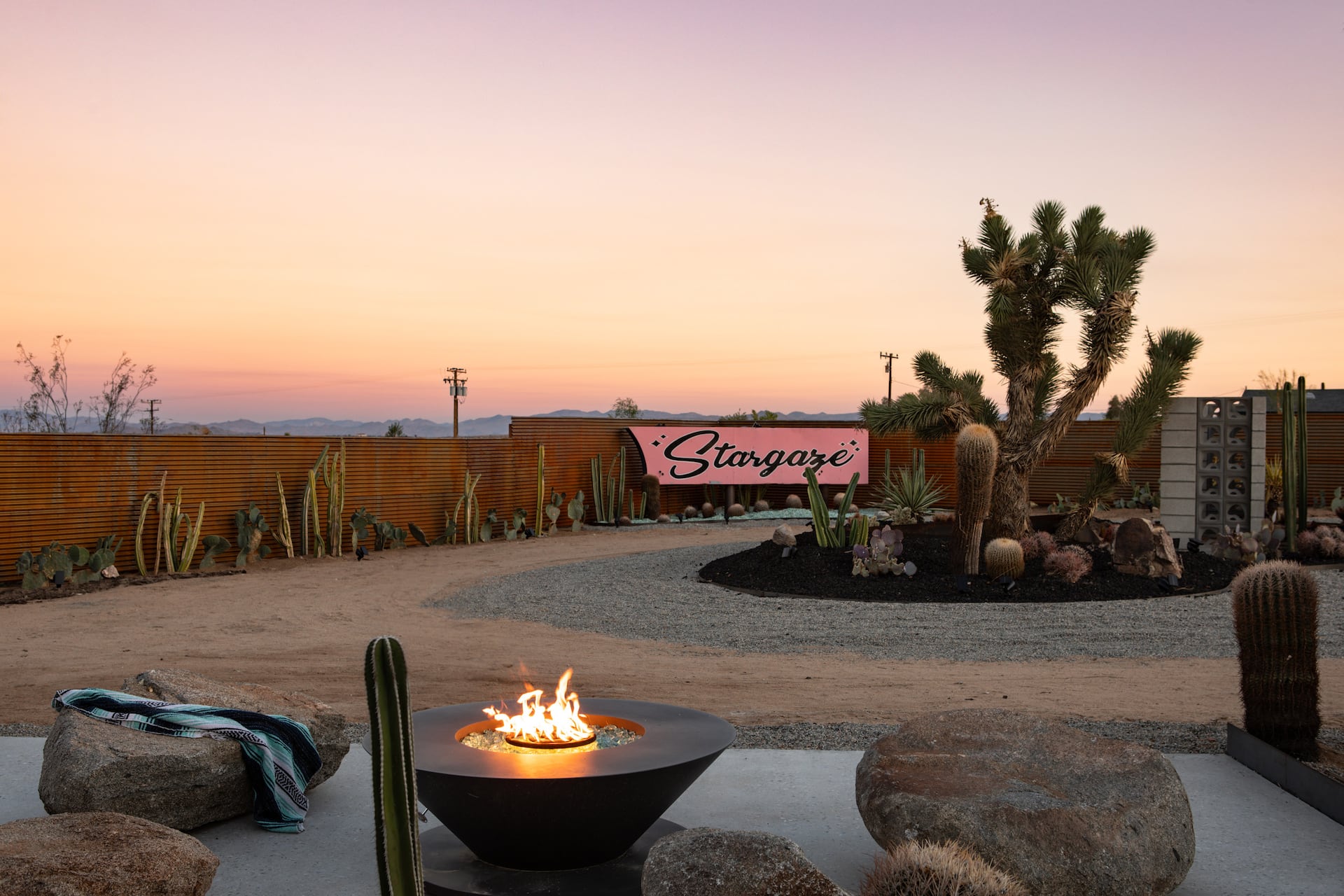
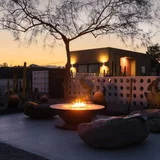
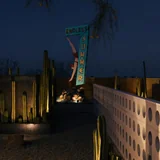
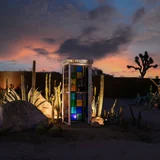
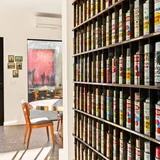
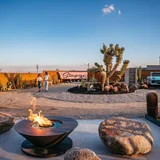
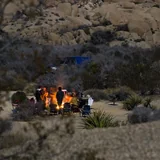
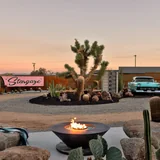
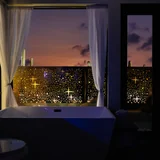
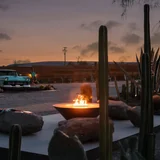
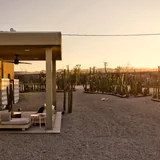
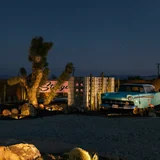
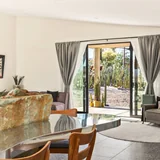
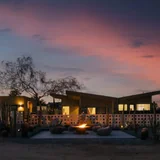
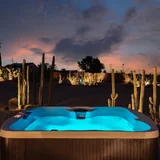
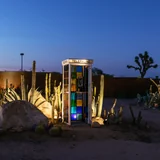
The yard is lit for the evening, which is lovely for dinner and for photos of the star wall. When you settle in to watch the sky, turn off the outdoor lights you don't need; the fire pit gives you enough to see by. Close the curtains on any room you have lit so the glow doesn't spill onto the gravel.
Keep it quiet
Quiet hours start at 10pm, which is also when the sky is at its best. Sound carries a long way in the desert, and the animals that move at night are part of what you came for.
What to look for
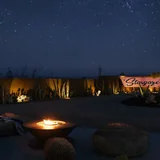
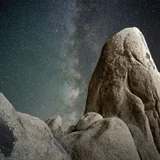
With adapted eyes and no moon you can see the Milky Way overhead from spring to autumn, the Andromeda galaxy as a faint smudge in the autumn sky, and the moons of Jupiter with a simple pair of binoculars. Our stargazing dispatch covers the best nights, and the meteor calendar lists the peaks through 2027.